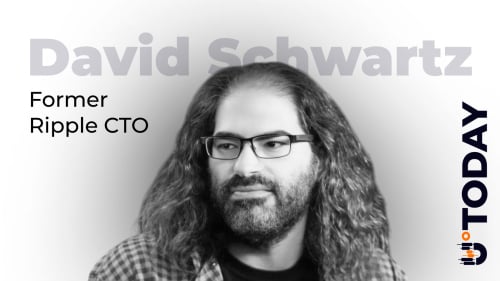
XRP 스테이킹 문제는 X에 대한 토론으로 이어졌고, 리플 명예 CTO David Schwartz가 참여했습니다.
X 사용자는 리플 CTO Emeritus가 XRPL과 함께 작동할 수 있는 가상 프로토콜 인센티브 모델에 대한 질문에 응답하고 "언제/XRP를 XRPL에 스테이킹하고 네트워크의 거래 수수료에서 수익을 얻을 수 있습니까? "라고 질문한 XRP Apex 2025 이벤트의 클립에서 비롯된 2025 X 토론을 언급했습니다.
Schwartz는 이에 비유하여 대답했습니다. "당신은 자신의 은행이 되고 싶습니까, 아니면 다른 사람이 당신에게 돈을 지불하여 은행이 되도록 하시겠습니까? " XRP Ledger에는 현재 기본 스테이킹 기능이 없기 때문에 응답이 중요합니다.
당신은 자신의 은행이 되고 싶습니까, 아니면 다른 사람이 당신에게 돈을 지불하여 은행이 되기를 원합니까? .
이는 XRP 보유자가 지갑에 XRP를 보유할 때 자신의 은행이 됨을 의미할 수 있습니다. 스테이킹에는 다른 당사자가 그들의 코인을 통제하는 것이 포함되며, 이제 "그들에게 은행 역할을 하도록 비용을 지불"하게 됩니다. 그러나 Schwartz는 그가 의미하는 바를 더 이상 설명하지 않았습니다.
대부분의 블록체인 네트워크에서 스테이킹은 검증자와 토큰 보유자 간의 인센티브를 조정하는 데 사용됩니다.
TheXRP Ledger는 Ethereum과 같은 네트워크와 같은 지분 증명 합의 메커니즘을 사용하지 않으므로 기본 스테이킹이 없습니다. XRPL은 금전적 인센티브보다 신뢰와 안정성을 최우선으로 생각하는 합의 모델(Proof of Association)을 사용합니다. 검증인은 네트워크의 상태에 관심을 갖기 때문에 네트워크에 참여합니다.
XRP 기본 스테이킹에는 스테이킹 보상 소스와 이를 배포하는 방법이라는 두 가지가 필요합니다. 현재 거래 수수료가 소각되는데, 이는 공급 디플레이션을 유지하고 네트워크를 효율적으로 유지하기 위한 의도적인 설계 선택입니다.
그러나 Uphold, Flare, Doppler Finance 및 Axelar를 포함한 거래소 및 De Fi 프로토콜의 XRP 스테이킹 및 수익 프로그램에 대한 유기적 실험이 있으며, 이는 커뮤니티가 기존 설계 내에서 XRP에 참여할 방법을 찾고 있음을 시사합니다.
원문 제목: Ripple CTO Emeritus Poses Key Question on Staking: 'Be Your Own Bank or Theirs?'
The question ofXRP stakingfound its way into a discussion on X, of which Ripple CTO EmeritusDavid Schwartzwas a part.
An X user referred to a 2025 X discussion stemming from a clip from the XRP Apex 2025 event in whichRipple CTO Emeritusresponded to a question on a hypothetical protocol incentive model that could work with the XRPL and asked: "When/Can we stake our XRP on the XRPL and earn yield from transaction fees on the network?".
Schwartzanswered this with an analogy: "Do you want to be your own bank or do you want someone else to pay you to be their bank?" The response matters as the XRP Ledger does not currently have native staking capabilities.
Do you want to be your own bank or do you want someone else to pay you to be their bank?.
This might implyXRP holdersbeing their own bank when they hold XRP in their wallets; staking would involve another party having control over their coins, which would now "pay them to be their bank.
" Schwartz did not, however, explain further what he meant.
In most blockchain networks,stakingis used to align incentives among validators and token holders.
TheXRP Ledgerdoes not use a proof-of-stake consensus mechanism like networks such as Ethereum and hence does not have native staking.
The XRPL employs the consensus model (Proof of Association), which puts trust and stability first over financial incentives.
Validators participate in the network because they care about its health.
XRP native staking would need two things: a source of staking rewards and a way to distribute them.
At the moment, transaction fees are burned, which is an intentional design choice to keep the supply deflationary and keep the network efficient.
There is, however, organic experimentation with XRP staking and yield programs from exchanges and DeFi protocols, including Uphold, Flare, Doppler Finance, and Axelar, suggesting that the community is finding ways to engage with XRP within its existing design.