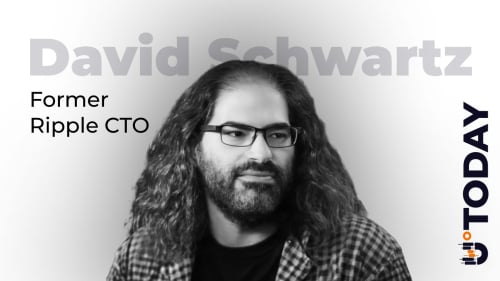
리플 명예 CTO David Schwartz는 X에서 BIP-110의 확고한 지지자와 협력하여 제안을 통해 "레거시 체인을 수정"하려는 시도에 대한 주장을 비난했습니다.
토론은 X 사용자가 BLAKE2b를 이전 비트코인 캐시(BCH) 및 비트코인 SV(BSV) 포크와의 이동을 비교하면서 "BTC에 대한 공격"으로 묘사한 후에 시작되었습니다.
이 맥락에서 BLAKE2b는 개발자 Luke Dashjr가 지원하는 획기적인 Bitcoinhard 포크를 의미하며, 이는 비트코인 채굴 시스템을 SHA-256d에서 BLAKE2b 알고리즘으로 전환하고 9월 1일에 출시될 예정입니다.
X 사용자이자 BIP-110 지지자인 Loogart는 이 초기 트윗에 참여하여 참여가 자발적인 경우 다른 PoW와 대체 체인을 추구하는 것이 공격으로 간주되어야 하는 이유에 대해 의문을 제기했습니다. "우리는 비트코인 코어가 취하는 방향에 반대했습니다. 그들은 우리에게 포크하라고 말했습니다. 우리는 포크하고 다른 PoW를 선택했습니다. 이제 우리는 자체 체인을 구축하고 있습니다. 그리고 어떻게든 우리는 여전히 그들을 공격하고 있습니다. "
슈워츠는 대화에 끼어들어 다음과 같이 농담으로 대답했습니다. "당신은 '아직' 공격하고 있지 않습니다. 당신은 패배했다는 사실을 받아들이기를 거부했을 때 거버넌스 참여에서 공격으로 전환했습니다. "라고 그는 말했습니다.
BIP-110 지지자 Loogart는 다음과 같이 답했습니다. "우리는 패배했다는 사실을 받아들이기를 거부하지 않았습니다. 우리는 레거시 체인을 고치려는 시도를 잃었다는 것을 인정했기 때문에 비트코인을 다른 곳에서 계속했습니다. 공개 대화, 소프트 포크, 그리고 그것이 실패할 경우 하드 포크와 같은 또 다른 자발적인 행동은 공격입니까? 모두 자발적입니다. 아무도 우리를 따르도록 강요받지 않았습니다. "
"레거시 체인을 고치려는 시도" 자신의 말을 들어보세요.
슈워츠는 자신의 답변 일부를 인용해 "자신의 말을 들어라"고 답하며 "레거시 체인을 고치라"는 문구에 함축된 추정을 비판했다.
비트코인 Knots는 첫 번째 시도인 BIP-110이 중단된 지 몇 주 만에 두 번째 체인 분리를 시도하고 있으며 단 두 개의 블록만 생성했습니다. 새 버전은 BLAKE2b가 기존 비트코인 채굴자에 대한 의존을 중단하기 위해 비트코인의 SHA-256d 작업 증명을 폐기했지만 아직 이를 지원하겠다고 약속한 주요 교환소, 지갑 또는 라이트닝 구현은 없습니다.
BIP-110은 비금융 데이터, 특히 Ordinals, BRC-20 및 Runes 프로토콜에 의해 생성된 비문, 토큰 및 임의 페이로드에 대한 블록 공간 사용을 일시적으로 제한하는 제안된 비트코인 소프트 포크였습니다. 8월 초, BIP-110 노드는 8시간 만에 2개의 블록을 채굴한 소수 체인을 분리한 후 효과적으로 정지되어 포크가 실패했습니다.
원문 제목: Ripple CTO Emeritus Slams Bitcoin's BIP-110 Legacy Chain Fix: 'Listen to Yourself'
Ripple CTO emeritusDavid Schwartz engaged with a staunch supporter of BIP-110 on X, slamming the argument of an attempt to "fix the legacy chain" through the proposal.
The discussion began after an X user described BLAKE2b as an "attack on BTC," comparing the move to earlier Bitcoin Cash (BCH) and Bitcoin SV (BSV) forks.
BLAKE2b in this context refers to a breakawayBitcoinhard fork backed by developer Luke Dashjr, which switches Bitcoin's mining system from SHA-256d to the BLAKE2b algorithm and is set to launch on September 1.
X user and BIP-110 supporter Loogart engaged with this initial tweet, questioning why pursuing a different PoW and an alternative chain should be considered an attack when participation is voluntary: "We objected to the direction Bitcoin Core was taking.
They told us to fork.
We forked and chose a different PoW.
Now we're building our own chain.
And somehow we're still attacking them.
".
Schwartz entered the conversation, responding with a tongue-in-cheek remark: "You're not 'still' attacking.
You switched from participating in governance to attacking when you refused to accept that you lost," he said.
BIP-110 supporter Loogart responded: "We didn't refuse to accept that we lost.
We accepted that we lost the attempt to fix the legacy chain, so we continued Bitcoin elsewhere.
How is open dialogue, a soft fork, and, if that fails, another voluntary action like a hard fork an attack? It's all voluntary.
Nobody was forced to follow us.
".
"the attempt to fix the legacy chain"Listen to yourself.
Quoting part of his response,Schwartzanswered, "Listen to yourself," criticizing the presumption implied in the phrase "fix the legacy chain.
".
BitcoinKnots is attempting a second breakaway chain, weeks after its first attempt, BIP-110, stalled, having produced only two blocks.
The new version ditches Bitcoin's SHA-256d proof-of-work for BLAKE2b to stop relying on existing Bitcoin miners, but no major exchange, wallet, or Lightning implementation has yet committed to supporting it.
BIP-110 was a proposed Bitcoin soft fork that would have temporarily restricted the use of block space for non-financial data, specifically the inscriptions, tokens, and arbitrary payloads generated by Ordinals, BRC-20, and Runes protocols.
Earlier in August, BIP-110 nodes split off a minority chain that mined two blocks in eight hours before effectively stalling, causing the fork to fail.