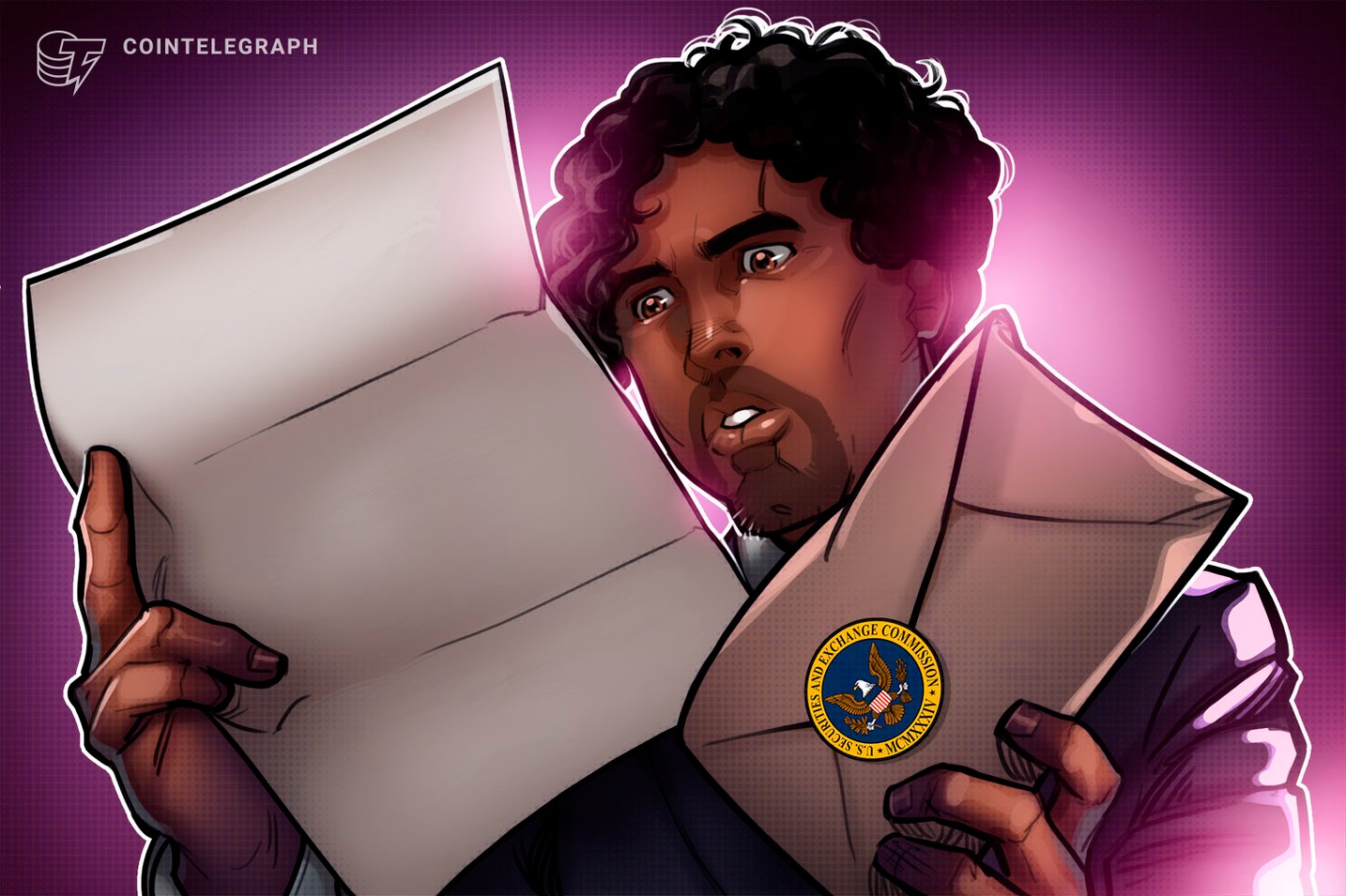
Esma, Iosco 및 World Exchanges의 세계 연맹은 SEC가 토큰 화 된 주식에 대한 감독을 강화할 것을 촉구하며, 월스트리트 거인이 성장하는 시장을 눈에 띄는 투자자 위험에 대한 경고.
거래소 Industry Associations와 Global Regulators는 토큰 화 된 주식의 성장과 채택을 억제하기 위해 힘을 합쳐서 이러한 제품은 실제 주식을 나타내지 않으며 투자자를 상당한 위험에 노출 시킨다고 주장합니다.
로이터 통신에 따르면 유럽 증권 및 시장 당국 (ESMA), 국제 증권위원회 (IOSCO) 및 WFE (World Federation of Exchanges)는 미국 증권 거래위원회 (SEC)의 기초 협정 (SEC)에 서한을 보냈으며, 주식의 주식에 대한 엄격한 규제 감독을 촉구했습니다.
조직은 토큰 화 된 주식이 자신이 대표하도록 설계된 주식을“모방”하지만 전통적인 시장에 내장 된 투자자 보호가 부족합니다고 주장합니다.
WFE는 특정 회사 나 플랫폼을 명명하지 않고 로이터에게“우리는 소위 토큰 화 된 미국 주식을 제공하거나 제공하려는 수많은 중개인 및 암호화 거래 플랫폼에서 놀라게됩니다. "이 제품들은 주식 토큰으로 판매되거나 그렇지 않은 경우 주식과 동등합니다. "
푸시는 서명자의 영향을 감안할 때 무게를 전달합니다. EMSA는 유럽 연합 기관이자 BLOC의 3 가지 주요 금융 감독 당국 중 하나입니다.
iOSCO는 국제 단체로, 전 세계 시장에서 유가 증권 규제 및 투자자 보호 표준을 설정합니다.
영국에 본사를 둔 WFE는 전 세계 교환 및 청산 주택을 대표하는 업계 그룹입니다.
클램프 다운의 요구는 대안으로 인한 증권이 월스트리트와 그 이후의 트랙션을 얻는다.
업계 데이터에 따르면 토큰 자산의 가치는 이미 260억 달러에 달했다.
블록 체인에서 발행 된 전통적인 주식의 디지털 표현 인 토큰 화 된 주식은 그 시장의 작은 조각으로 남아 있지만, 코인베이스, 크라켄과 같은 주요 플랫폼으로서 발자국이 성장할 것으로 예상됩니다.
관련: 아시아 중간 동부 복도의 암호화의 미래는 허가 규모에 있습니다.
전통적인 산업 로비가 결합하여 블록 체인 혁신의 성장을 늦추기 위해 처음은 아닙니다. 미국 국회의원들이 천재 스테이블코인 법안을 넘어 섰을 때, 은행 그룹은 조용히 로비 로브리 토 (Lobbiedto)는 수익률을 부유하는 스타블 레코 인을 제외합니다.
그들은 천재가 스테이블코인 발행자가 보유자에게이자를 지불하는 것을 명시 적으로 금지하면서 궁극적으로 성공했습니다.
천재의 통과는 스테이블코인 산업의 승리로 널리 알려져 있지만 트레이드 오프도 제공되었습니다. Crosschain Interoperability 프로토콜 Wanchain의 CEO 인 Temujin Louie는“스테이블코인 발행자가 수확량을 제공하는 것을 명시 적으로 금지함으로써 실제로 자금 시장 기금의 주요 이점을 보호합니다.
그럼에도 불구하고 SEC는 최고 수준에서 토큰 화에 열려있는 것으로 보입니다. 7월, SEC 의장 Paul Atkinsdesdescred는 미국 경제 내에서 발전해야 할“혁신”으로 토큰 화를 설명했습니다.
같은 달, SEC 커미셔너 인 Hester Peirce는 토큰 주식을 포함한 토큰 증권이 기존 증권법을 준수해야한다고 강조했습니다.
관련: VC Roundup: 비트코인 de Fi Surges이지만 토큰 화 및 Stablecoins는 증기를 얻습니다.
원문 제목: Global regulators, exchanges push back on tokenized stocks in SEC letter
ESMA, IOSCO and the World Federation of Exchanges urge the SEC to tighten oversight of tokenized equities, warning of investor risks as Wall Street giants eye the growing market.
Exchange industry associations and global regulators are joining forces to curb the growth and adoption of tokenized stocks, arguing that these products do not represent actual equities and expose investors to significant risks.
According toReuters, the European Securities and Markets Authority (ESMA), the International Organization of Securities Commissions (IOSCO), and the World Federation of Exchanges (WFE) have sent a letter to the US Securities and Exchange Commission’s (SEC) Crypto Task Force, urging stricter regulatory oversight of tokenized stocks.
The organizations argue that tokenized stocks “mimic” the equities they are designed to represent but lack the investor protections built into traditional markets.
“We are alarmed at the plethora of brokers and crypto-trading platforms offering or intending to offer so-called tokenized US stocks,” the WFE told Reuters, without naming specific firms or platforms.
“These products are marketed as stock tokens or equivalent to the stocks when they are not.
”.
The push carries weight given the influence of the signatories.
EMSA is a European Union agency and one of the bloc’s three main financial supervisory authorities.
IOSCO is an international bodythat sets standards for securities regulation and investor protection across global markets.
WFE, headquartered in the UK, is an industry group representing exchanges and clearing houses worldwide.
The call for clampdowns comes astokenized securities gain tractionon Wall Street and beyond, driven by the promise of greater efficiency, lower costs and broader market access through blockchain technology.
The value of tokenized assets has already climbed past $26 billion, according to industry data.
Tokenized stocks — digital representations of traditional equities issued on a blockchain — remain a small slice of that market, but their footprint is expected to grow as major platforms such asCoinbase,KrakenandRobinhoodmove into the space.
Related:The future of crypto in the Asia-Middle East corridor lies in permissioned scale.
This isn’t the first time traditional industry lobbies have joined forces to slow the growth of blockchain innovation.
As US lawmakers mulled over the GENIUS stablecoin bill,banking groups quietly lobbiedto exclude yield-bearing stablecoins — a feature that could have directly competed with their service offerings.
They were ultimately successful, with GENIUS explicitly barring stablecoin issuers from paying interest to holders.
While the passage of GENIUS was widely seen as a win for the stablecoin industry, it also came with a trade-off.
“By explicitly prohibiting stablecoin issuers from offering yield, the GENIUS Act actually protects a major advantage of money market funds,” Temujin Louie, CEO of crosschain interoperability protocol Wanchain,told Cointelegraph.
Still, the SEC appears open to tokenization at the highest levels.
In July,SEC Chair Paul Atkinsdescribed tokenization as an “innovation” that should be advanced within the US economy.
That same month, SEC Commissioner Hester Peirce stressed that tokenized securities, including tokenized equities, must nonetheless comply with existing securities laws.
Related:VC Roundup: Bitcoin DeFi surges, but tokenization and stablecoins gain steam.