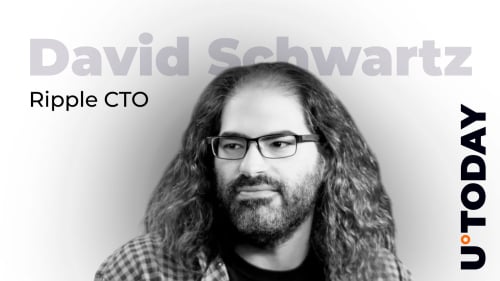
리플 CTODDavid Schwartz는 최근 XRP Ledger의 UNL에 대한 오해를 해결했습니다. UNL(고유 노드 목록)은 서버의 신뢰할 수 있는 유효성 검사기 목록을 나타냅니다.
X 사용자는 자신의 공개 XRP-GUI 지갑에서 신뢰할 수 있는 검증자를 변경할 수 없다고 트윗을 통해 밝혔습니다. 이는 Ripple이 제공하는 외부 UNL을 사용하려고 함을 나타냅니다. 그는 또한 "인구의 99%가 리플이 발표한 UNL에 의존하고 있는데, 그들이 UNL을 조작하는 것을 막는 것은 무엇인가? "라는 질문을 던졌습니다.
UNL은 네트워크가 진행되는 방식에 영향을 미칩니다. 지갑은 그것을 관찰합니다. 그리고 UNL을 조작하여 무엇을 합니까? 노드가 UNL의 유효성 검사기에 동의하지 않으면 네트워크가 중단됩니다.
이 트윗은 UNL의 본질을 XRPL 네트워크에 명확히 밝힌 리플 CTODavid Schwartz의 반응을 이끌어 냈습니다. Schwartz는 UNL이 네트워크의 진행 방식에 영향을 미치고 지갑도 이를 관찰하여 신뢰할 수 있는 검증자를 변경할 수 없는 이유에 대한 X 사용자의 질문에 대답했습니다.
Schwartz는 잠재적인 네트워크 조작에 대한 우려를 없애고 노드가 UNL의 유효성 검사기에 동의하지 않으면 네트워크가 중단된다고 덧붙였습니다.
모든 XRP Ledger 서버는 기본적으로 UNL로 구성되어 있으며, UNL은 어떤 검증 투표를 듣고 합의 프로세스 중에 어떤 투표를 버릴지 결정합니다.
각 서버 운영자는 자신의 UNL에 어떤 유효성 검사기가 포함되는지에 대한 모든 권한을 갖습니다.
그러나 두 서버가 완전히 다른 UNL로 작동하는 경우 원장(및 그 안의 트랜잭션)이 검증되는 시기에 대해 서로 다른 결론에 도달할 가능성이 높습니다. 이로 인해 서로 다른 당사자가 서로 동의하고 거래할 수 없는 네트워크 포크가 발생할 수 있습니다.
포크를 방지하려면 XRP Ledger의 서버를 서로 높은 수준의 중첩이 있는 UNL로 구성해야 합니다.
다른 검증인과 중복되는 검증인의 신뢰할 수 있는 목록을 더 쉽게 얻을 수 있도록 XRP Ledger는 권장 검증인 목록 시스템을 활용합니다. 현재 XRP Ledger 서버의 기본 구성은 XRP Ledger Foundation에서 게시한 목록과 Ripple에서 게시한 목록의 두 가지 목록을 사용합니다. 기본 UNL(약어로 dUNL이라고도 함)이라는 용어는 이러한 목록에 포함된 유효성 검사기 집합을 나타냅니다.
원문 제목: Ripple CTO Drops Major XRP UNL Clarification: Details
Ripple CTODavid Schwartz has recently addressed a misconception about XRP Ledger's UNL.
A unique node list (UNL) refers to a server's list of trusted validators.
An X user said in a tweet that he was unable to change trusted validators in his public XRP-GUI wallet, indicating that he was looking to use a UNL outside that provided by Ripple.
He also posed the question, "99% of the population is reliant on the UNL that Ripple publishes, what is stopping them from manipulating the UNL?".
The UNL affects the way the network makes forward progress.
Wallets just observe that.
And manipulating the UNL to do what? If nodes don't agree with the validators on their UNL, the network halts.
This tweet attracted a response from Ripple CTODavid Schwartz, who clarified the essence of UNL to the XRPL network.
Schwartz responded that UNL affects the way the network makes forward progress, and wallets also observe this, answering the X user's question of why trusted validators could not be changed.
Squashing concerns about a potential network manipulation, Schwartz added that if nodes do not agree with the validators on their UNL, the network halts.
Every XRP Ledger server is natively configured with a UNL, which determines which validation votes it listens to and which votes it throws out during the consensus process.
Each server operator has full control over which validators are included in their UNL.
However, if two servers operate with totally different UNLs, they are likely to reach different conclusions about when ledgers (and the transactions in them) are validated.
This could cause a fork in the network with parties on different sides unable to mutually agree and transact with one another.
To avoid forking, servers onXRP Ledgerare required to be configured with UNLs that have a high degree of overlap with one another.
To make it easier to get a different and reliable list of validators that has high overlap with others, XRP Ledger utilizes a system of recommended validator lists.
Currently, the default configuration for XRP Ledger servers uses two lists: one published by the XRP Ledger Foundation and one published by Ripple.
The term default UNL (sometimes abbreviated dUNL) refers to the set of validators included in these lists.