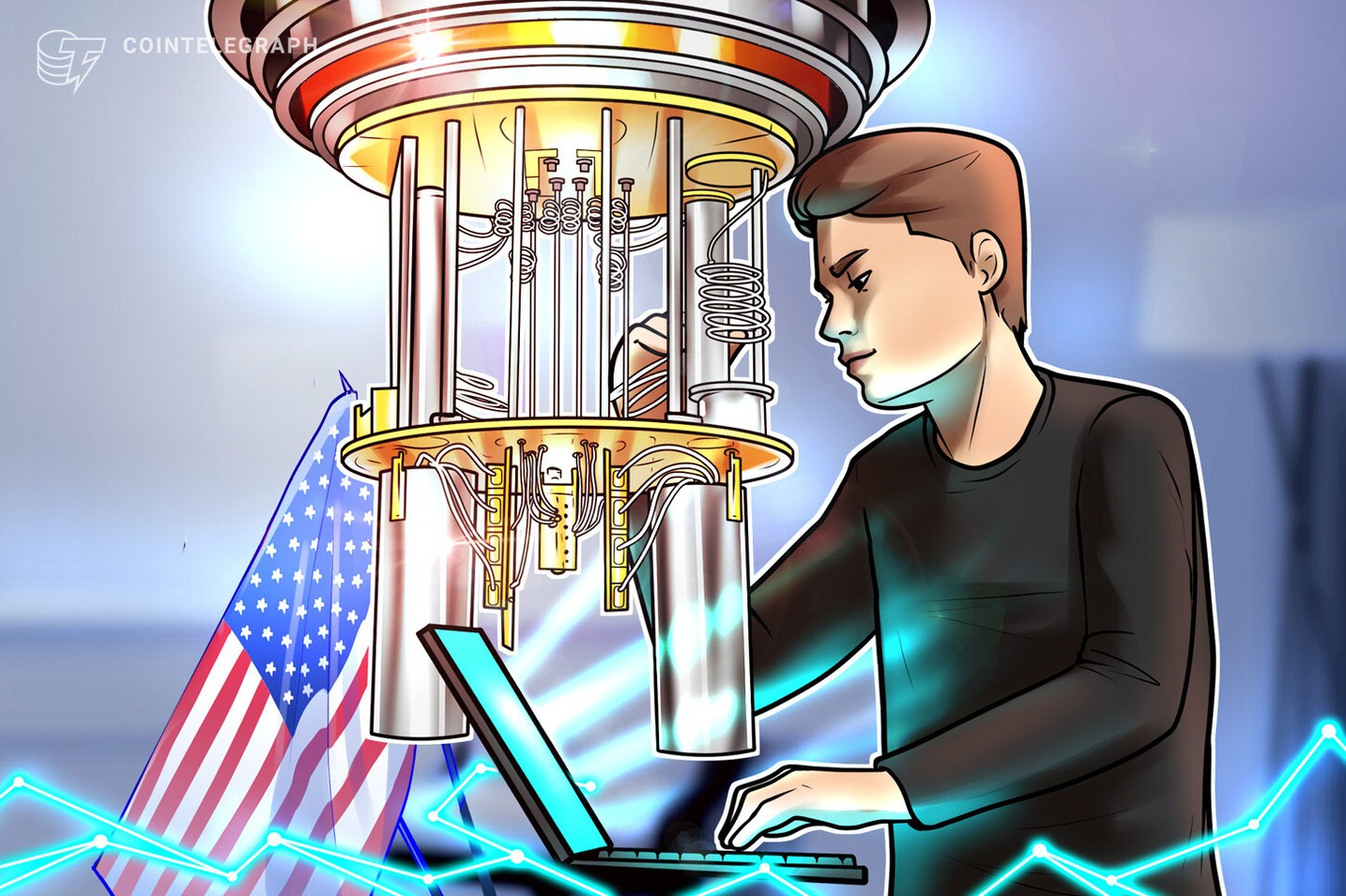
워싱턴은 중국의 기술 역량에 보조를 맞추기 위해 미국 양자 컴퓨팅 회사에 대한 직접 투자를 고려하고 있습니다.
미국은 국가 안보 이익을 이유로 양자컴퓨팅 기업과 금융 지원을 제공하기 위해 '초기 협의'를 진행 중인 것으로 알려졌다.
상무부 관계자들은 중국과의 경쟁력을 유지하기 위해 CHIPS법에 할당된 자금을 사용하여 양자 컴퓨터 기술에 투자하는 방안을 모색하고 있다고 블룸버그가 목요일 보도했습니다.
관계자들은 정부가 자금 조달의 대가로 회사 지분을 포함할 수 있는 무언가를 원한다는 신호를 보냈다고 소식통은 말했습니다.
CNBC에 따르면 미국 정부는 2025년 8월 칩 제조업체 인텔이 회사 지분 10%를 인수하면서 유사한 거래를 제안했습니다. 그러나 일부 분석가들은 이러한 거래에 대해 비판적입니다.
도널드 트럼프 대통령의 보호주의 무역 정책과 민간 부문에 대한 투자는 미국을 '중앙 계획 경제' 쪽으로 기울게 하고 있다고 경제학자이자 투자자인 피터 쉬프사이돈 X(Peter Schiffsaidon X)는 말하면서 자유 시장이 자금 할당 방식을 결정해야 한다고 덧붙였습니다.
양자 컴퓨터는 암호화폐의 기초가 되고 은행, 의료, 군사 애플리케이션에서 데이터 보호를 뒷받침하는 최신 암호화 표준을 깨뜨릴 수 있어 암호화폐 산업이 포스트퀀텀 암호화 솔루션을 찾도록 촉발할 수 있습니다.
관련: Google은 슈퍼컴퓨터보다 13, 000배 빠른 양자 이점을 발표했습니다.
전문가들은 충분히 강력한 양자 컴퓨터가 현대 암호화 표준을 깨는 시점인 'Q-Day'가 언제 일어날 것인지에 대해 계속 논쟁을 벌이고 있으며 일부에서는 양자 컴퓨터가 5~10년 내에 위협을 받을 수 있다고 예상합니다.
그러나 일부에서는 양자 컴퓨터의 암호화폐 위협이 이미 "지금 수확하고 나중에 해독하는" 기술을 통해 등장했다고 말합니다.
이는 위협 행위자가 공개 키를 컴파일하고 충분히 강력한 양자 컴퓨터가 개발될 때까지 데이터를 저장한 다음 공개 키에서 개인 키를 파생할 수 있음을 의미합니다.
포스트퀀텀 및 분산형 사이버 보안 인프라 회사인 나오리스 프로토콜(Naoris Protocol)의 CEO인 데이비드 카르발류(David Carvalho)는 코인텔레그래프와의 인터뷰에서 일반 사람은 강력한 양자 컴퓨터가 작동하는지 “알지도 못할 것”이라고 말했습니다.
“양자 컴퓨터가 있다고 생각하면 이미 몇 달 동안 제어되고 있는 것입니다. ”라고 그는 말했습니다.
매거진: 비트코인과 양자 컴퓨터 위협: 타임라인 및 솔루션(2025~2035).
원문 제목: US eyes quantum computing investments amid rising national security stakes
Washington is considering direct investments in US quantum computing companies as it seeks to keep pace with China’s tech capabilities.
The United States is reportedly in “early talks” with quantum computing companies to provide financial assistance to the sector, citing national security interests.
Department of Commerce officials are exploring investing inquantum computer technologyusing funds earmarked for the CHIPSActto remain competitive with China,Bloombergreported on Thursday.
The officials signaled that the government wants something in exchange for the financing, which could include a stake in the companies, the sources said.
The US government offered a similar deal to chip manufacturer Intel in August 2025, when it took a 10% stake in the company,CNBCreported.
However, some analysts are critical of such deals.
President Donald Trump’s protectionist trade policies and investment in the private sector are tilting the US toward a “centrally planned economy,” economist and investor Peter Schiffsaidon X, adding that the free market should dictate how funds are allocated.
Quantum computers couldbreak modern encryption standardsthat are foundational to cryptocurrencies and underpin data protection in banking, medical, and military applications, prompting the crypto industry tosearch for post-quantum cryptographic solutions.
Related:Google announces quantum advantage, 13,000 times faster than supercomputers.
Experts continue to debate when “Q-Day,” the point when a sufficiently powerful quantum computer will break modern encryption standards, will happen, with some projecting that quantum computers could become athreat within five to ten years.
However, some say the threat to crypto from quantum computershas already emergedthrough “harvest now, decrypt later” techniques.
This means that a threat actor could now compile public keys and store the data until a sufficiently powerful quantum computer is developed, and then derive the private key from the public key.
David Carvalho, CEO of post-quantum and decentralized cybersecurity infrastructure company Naoris Protocol, told Cointelegraph that the average person “wouldn’t even know” if a powerful quantum computer were operational.
“When you think you’re seeing a quantum computer out there, it’s already been in control for months,” he said.
Magazine:Bitcoin vs.
the quantum computer threat: Timeline and solutions (2025–2035).