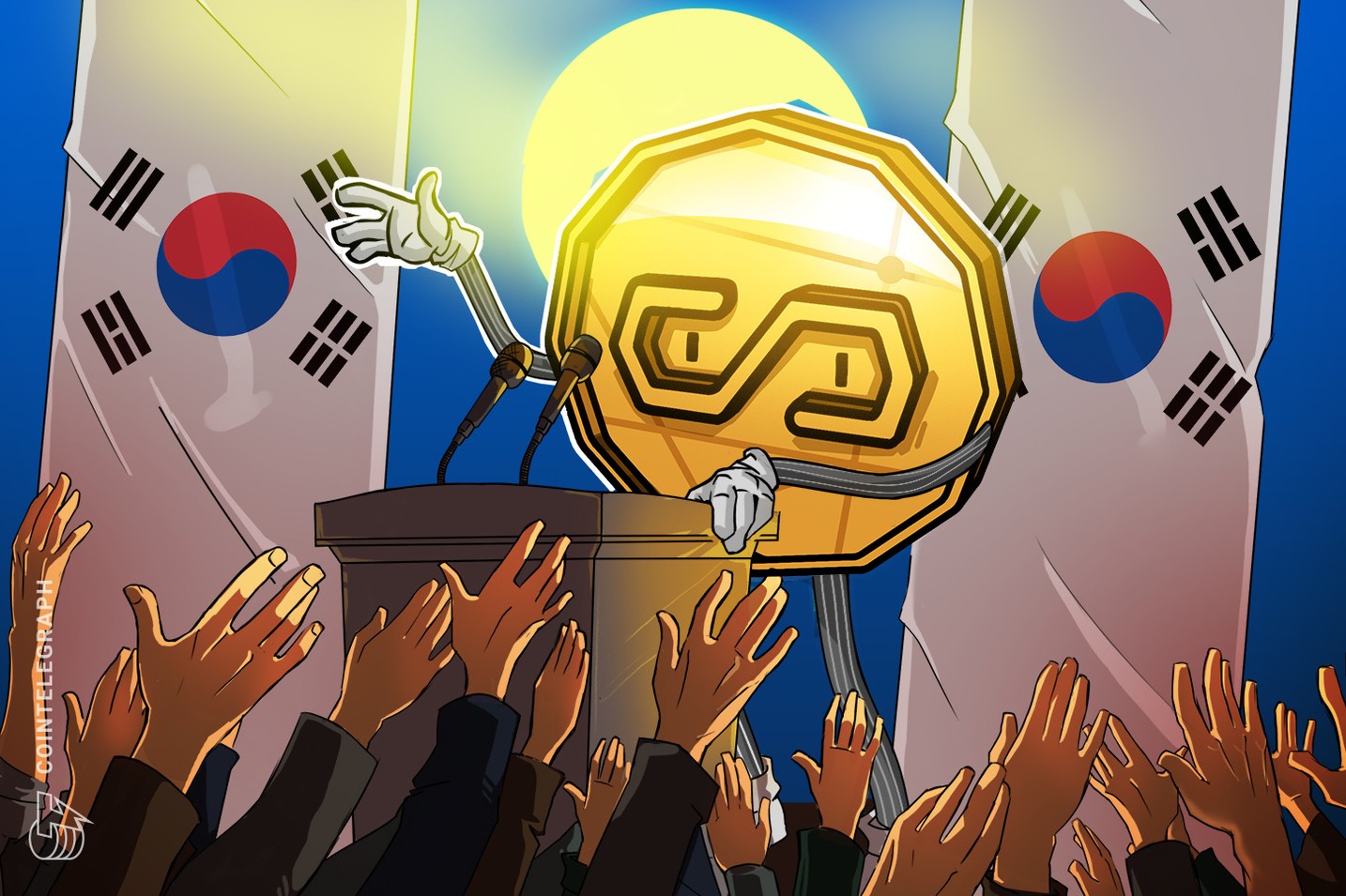
한국은행은 스테이블코인 발행자에 대한 명확한 규칙을 제정하여 은행과 비은행이 토큰을 발행할 수 있도록 허용해야 한다고 카이아 DLT 재단의 서상민 회장이 말했습니다.
카이아 DLT 재단 서상민 회장은 한국은행이 원화 표시 스테이블코인 출시를 은행 부문에 주도하도록 추진하는 것은 논리가 부족합니다고 말했다.
월요일 발표된 보고서에서 중앙은행은 은행들이 이미 자본, 외환, 자금세탁 방지 요건을 포함한 엄격한 규제를 받고 있어 스테이블코인 도입과 관련된 위험을 최소화하는 데 도움이 될 수 있다고 주장했습니다.
동시에 한국은행은 통화, 외환, 금융당국이 공동으로 구성된 정책 협의체를 통해 발행자 적격성, 거래량, 기타 주요 고려사항을 결정하기를 원합니다.
서씨는 코인텔레그래프와의 인터뷰에서 스테이블코인 리스크에 대한 중앙은행의 우려는 이해할 수 있지만, 은행들이 스테이블코인 출시를 주도해야 한다는 주장은 “논리적 근거가 부족한 것 같다”고 말했다.
서 회장은 “금전적 위험을 최소화하고 혁신을 촉진할 수 있는” 스테이블코인 발행자를 위한 명확한 규칙을 확립하는 것이 더 나은 해결책이 될 것이라고 주장했다.
그는 또한 이러한 기준을 충족하는 은행 및 비은행 기관 모두가 "경쟁하고 자신의 강점을 보여줄 수 있게 될 것"이라고 말했습니다.
지난 6월, 류상대 한국은행 부총재는 안전망을 보장하기 위해 한국 은행이 국내 스테이블코인의 주요 발행자가 되고 점차 다른 부문으로 확대할 것을 제안했습니다.
한은은 또 은행 예금과 직접적으로 경쟁해 업계를 혼란에 빠뜨릴 수 있다고 주장하며 스테이블코인에 대한 이자를 금지하고 대신 은행이나 금융기관의 예금을 대표하는 디지털 토큰인 예금 토큰의 상용화를 추진하겠다고 밝혔다.
서씨는 스테이블코인 수익률을 전면 금지하는 것은 과도한 조치가 될 것이며 채택에 해를 끼치고 제한할 수 있다고 말했습니다.
그는 “스테이블코인 자체에 수익 창출 기능이 포함되어서는 안 된다는 점에는 동의하지만, 스테이블코인 사용을 통해 추가 수익 창출을 제한하는 것은 과도합니다고 생각한다”고 말했다.
지난 6월 최소 8개 한국의 주요 은행이 한국 원화에 고정된 스테이블코인을 제공할 계획을 발표했으며, 2025년 말에서 2026년 초에 출시할 계획입니다.
관련: 한국은 암호화폐 대출 금리를 20%로 제한하고 레버리지 대출을 금지합니다.
한편, 네이버의 핀테크 계열사인 네이버파이낸셜은 국내 최대 암호화폐 거래소 업비트를 운영하는 두나무 인수를 추진하고 있으며, 인수가 완료되면 원화 기반 스테이블코인 프로젝트를 시작할 계획인 것으로 알려졌다.
한국의 암호화폐 산업은 지난 6월 이재명 대통령이 당선된 이후 스테이블코인 합법화 법안을 포함해 다양한 암호화폐 관련 법안을 추진한 이후 더욱 우호적인 환경에서 이익을 얻었습니다.
매거진: 한국인들은 이더리움 금고를 위해 Tesla를 버렸습니다. Bit Mine: Asia Express.
원문 제목: South Korea’s bank-first stablecoin approach lacks logic, says Kaia chair
The Bank of Korea should make clear rules for stablecoin issuers, allowing banks and non-banks to issue the tokens, says Kaia DLT Foundation chair Dr.
Sangmin Seo.
The Bank of Korea’s push for the banking sector to lead the rollout of won-denominated stablecoins lacks logic, says Dr.
Sangmin Seo, the chair of the Kaia DLT Foundation.
In areportreleased on Monday, the central bank argued that banks are already subject to strict regulations, including capital, foreign exchange, and Anti-Money Laundering requirements, which could help minimize any risks associated withintroducing stablecoinsto the country.
At the same time, the BOK wants a policy consultative body jointly made up of currency, foreign exchange, and financial authorities to decide on issuer eligibility, volumes and other key considerations.
Seo told Cointelegraph that while the central banks’ concerns about stablecoin risks are understandable, its argument for banks leading a rollout “seems to lack a logical foundation.
”.
Seo argued that a better solution would be to establish clear rules for stablecoin issuers that can “minimize monetary risks and foster innovation.
”.
He said it would also allow both banking and non-banking institutions that meet these criteria to “compete and demonstrate their strengths.
”.
In June, BOK deputy governor Ryoo Sangdaiproposed that South Korean banksbe the primary issuers of stablecoins in the country to ensure a safety net, before gradually expanding to other sectors.
The BOK also wants to baninterest payments on stablecoins, arguing that it could directly compete with bank deposits and disrupt the sector, and has instead pitched the commercialization of deposit tokens, digital tokens that represent deposits in a bank or financial institution, to be pursued.
Seo said a total ban on stablecoin yield would be an excessive measure and could harm and limit adoption.
“While I agree that stablecoins themselves should not include any yield-bearing features, I believe it would be excessive to restrict the generation of additional yield through the use of stablecoins,” he said.
At least eight major South Korean banksannounced plans in Juneto offer a stablecoin pegged to the South Korean won, with planned launches across late 2025 and early 2026.
Related:South Korea caps crypto lending rates at 20%, bans leveraged loans.
Meanwhile, Naver Financial, the fintech arm of South Korean tech conglomerate Naver, isreportedly moving forward with a plan to acquire Dunamu, which operates the country’s largest cryptocurrency exchange, Upbit, and plans to launch a Korean won-backed stablecoin project once the acquisition is complete.
The crypto industry in South Korea has benefited from a more favorable environment following theelection of President Lee Jae-myung in June, who has since pushed forward with various crypto-related laws, including abill to legalize stablecoins.
Magazine:South Koreans dump Tesla for Ethereum treasury BitMine: Asia Express.