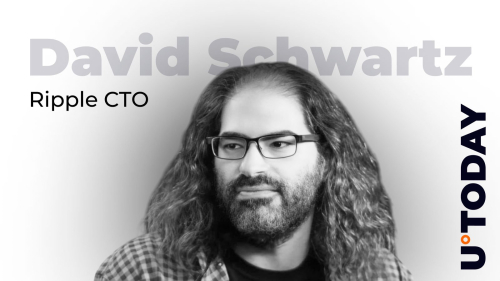
최근 소셜 미디어 게시물에서 Ripple의 CTO인 David Schwartz는 실제 XRP 이해관계자가 누구인지 설명했습니다.
저명한 경영진에 따르면, 그는 XRPL의 실제 이해관계자는 실제로 이를 사용하여 거래(지불, 토큰 전송 등)를 하는 사람들, "자신의 은행이 되고 싶은" 사람들(분권화에 대한 고개를 끄덕이는), 이익이 아닌 자신의 이익을 위해 노드를 운영하는 사람들이라고 믿습니다.
이번 주 초, 5억 달러 자금 조달 발표 이후 회사가 XRP 보유 외에는 어떤 가치도 없다고 주장하는 보고서에 대해 논란이 있었습니다. 한 VC는 실제로 Ripple의 기술을 사용하는 사람은 아무도 없다고 말했습니다. XRP 원장(XRPL) 자체는 유기적 사용량이 거의 없습니다.
그러나 일부 사용자는 기자가 XRPL의 네트워크 수수료(1페니도 안 되는 아주 작은 금액)를 회사로서의 Ripple의 가치와 동일시함으로써 "게으르다"고 주장하며 반발합니다.
다음을 좋아할 수도 있습니다. 목요일, 11/06/2025 - 05: 31 '타임라인 없음': 리플 대통령은 상장을 서두르지 않는다고 말합니다 ByAlex Dovbnya.
XRPL은 비트코인(채굴자)이나 이더리움(스테이커)과 같은 방식으로 검증인이나 노드에 비용을 지불하지 않습니다. XRPL에서는 검증인이 자발적으로 참여하기 때문에(종종 자신의 비즈니스나 사용 사례를 위해 노드를 실행해야 하기 때문에) 보수를 받지 않습니다.
Schwartz의 관점에서 검증자에게 비용을 지불하는 네트워크는 중개자를 도입하고 있습니다. 반면 XRPL은 사용자가 중개자 없이 거래할 수 있도록 하는 것을 목표로 합니다.
그는 "다른 사람의 거래에 세금을 부과하는 유료 중개인 없이 블록체인을 사용하는 사람들에게도 블록체인이 잘 작동할 수 있다면 블록체인을 사용하는 사람들이 거래하는 데 더 나을 것"이라고 말했습니다.
원문 제목: Ripple CTO Names XRPL's Real Stakeholders
In a recent social media post, David Schwartz, chief technology officer at Ripple, hasexplainedwho the real XRP stakeholders are.
According to the prominent executive, he believes XRPL’s real stakeholders are people who actually use it to transact (payments, token transfers, and so on), those who "want to be their own bank" (a nod to decentralization), and people who run nodes for their own benefit, not for profit.
Earlier this week, there was a stir over a report claiming that the company is not worth anything outside of XRP holdings following the announcement of the $500 million funding round.
One VC has stated that no one actually uses Ripple's tech.
The XRP Ledger (XRPL) itself has little organic usage.
However, some users push back, arguing that the reporter is being “lazy” by equating network fees on the XRPL (which are tiny, less than a penny) with Ripple’s valuation as a company.
You Might Also LikeThu, 11/06/2025 - 05:31'No Timeline': Ripple President Says There's No Rush to Go PublicByAlex Dovbnya.
XRPL doesn’t pay validators or nodes the way Bitcoin (miners) or Ethereum (stakers) do.
On XRPL, validators aren’t paid since they participate voluntarily (often because they need to run a node for their own business or use case).
In Schwartz's view, networks that pay validators are introducing middlemen.
XRPL, by contrast, aims to let users transact without intermediaries.
"If a blockchain can work just as well for the people who use it to transact without paid middlemen who tax other people's transactions, then that's probably better for the people who use the blockchain to transact," he said.