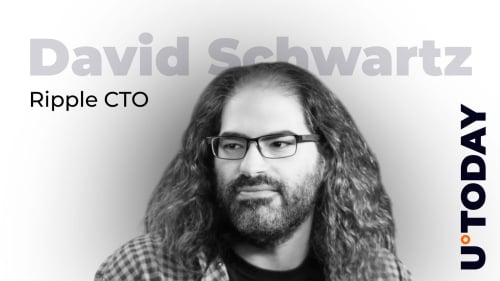
리플 CTO인 David Schwartz가 언급한 XRPL은 2012년부터 존재해 왔으며 그 이후로 블록체인 세계는 극적으로 변했습니다.
거버넌스와 합의에 대한 그 자신의 생각은 새로운 사용 사례와 기술이 등장하는 것을 보면서 진화했습니다.
리플 CTO는 이제 외부 프로토콜에 의존하지 않고 XRPL이 기본적으로 De Fi를 지원할 수 있는 방법에 대해 진지하게 생각하고 있습니다.
Schwatz는 "프로그래밍 가능성 이니셔티브와 스마트 계약 논의가 진행 중인 가운데 다른 탈중앙화 금융 기능이 기본적으로 어떤 모습일 수 있는지 논의할 좋은 시기인 것 같았습니다. "라고 말했습니다.
Schwartz는 XRPL이 PoS 체인과 근본적으로 다르다고 봅니다. 유효성 검사기는 누가 가장 많은 토큰을 보유하고 있는지가 아니라 안정성과 신뢰에 관한 것이기 때문에 평등해야 합니다.
거래 수수료는 스테이킹 보상으로 사용되지 않고 소각되어야 합니다.
원장은 특히 속도, 저렴한 비용 및 안전한 결제에 최적화되어 있습니다.
따라서 모든 "스테이킹" 또는 탈중앙화 금융 기능은 이러한 원칙을 위반해서는 안 됩니다. 그의 관점에서 볼 때 이는 철학적인 문제입니다. XRPL의 고유한 특징을 훼손하지 않고 어떻게 기능을 확장할 수 있습니까? .
Schwartz는 XRPL의 책임을 두 개의 계층으로 분할하는 것을 구상했습니다.
외부 계층은 기존 거버넌스, 개정, 수수료 및 정책을 처리합니다.
한편, 내부 레이어는 인센티브를 받고 스테이킹/슬래싱을 사용하여 빈번한 원장 발전을 처리합니다.
이는 XRPL의 결제 속도와 단순성을 유지하는 동시에 속도를 늦추지 않고 네트워크의 탄력성을 높이면서 새로운 검증인의 다양성을 허용합니다.
Schwartz의 관점에서 이것은 기술적으로 우아하며 XRPL을 일반적인 PoS 체인으로 직접 변환하는 것보다 XRPL의 철학에 더 잘 맞습니다.
Schwartz는 또한 스마트 계약 실행에 대한 영지식 증명 비용을 지불하기 위해 거래 수수료를 사용하는 것을 고려합니다.
그는 이를 모든 노드가 무거운 계산을 실행하도록 강요하지 않고 복잡한 온체인 작업을 가능하게 하는 방법으로 보고 있습니다.
이를 통해 기본 원장을 가볍고 빠르게 유지하면서 프로그래밍 가능성과 탈중앙화 금융 기능을 허용할 수 있습니다.
원문 제목: Ripple's Schwartz Says His Thoughts on XRPL Have Evolved
Asnotedby Ripple CTO David Schwartz, XRPL has been around since 2012, and the blockchain world has changed dramatically since then.
His own thinking about governance and consensus has evolved as he sees new use cases and technologies emerge.
The Ripple CTO is now thinking seriously about how XRPL could support DeFi natively, rather than relying on external protocols.
"With programmability initiatives and smart contract discussions underway, it seemed like a good time for us to also discuss what other DeFi capabilities natively could look like," Schwatz said.
Schwartz sees XRPL as fundamentally different from PoS chains.
Validators are supposed to be equal since it’s about stability and trust, not about who holds the most tokens.
Transaction fees are supposed to be burned instead of being used as staking rewards.
The ledger specifically is optimized for speed, low cost, and secure settlement.
Hence, any “staking” or DeFi functionality must not break these principles.
From his vantage point, it's a philosophical problem: how do you expand capabilities without undermining what makes XRPL unique?.
Schwartz has envisioned splitting XRPL’s responsibilities into two layers:.
The outer layer would handle the existing governance, amendments, fees, and policing.
Meanwhile, the inner layer is incentivized and handles frequent ledger advancement, possibly using staking/slashing.
This would preserve the XRPL’s speed and simplicity for payments while allowing new validator diversity without slowing things down and making the network more resilient.
In Schwartz’s view, this is technically elegant and fits XRPL’s philosophy better than directly converting XRPL into a typical PoS chain.
Schwartz also considers using transaction fees to pay for zero-knowledge proofs of smart contract execution:.
He sees this as a way to enable complex on-chain operations without forcing every node to execute heavy computations.
This could allow programmability and DeFi functionality while keeping the base ledger lightweight and fast.