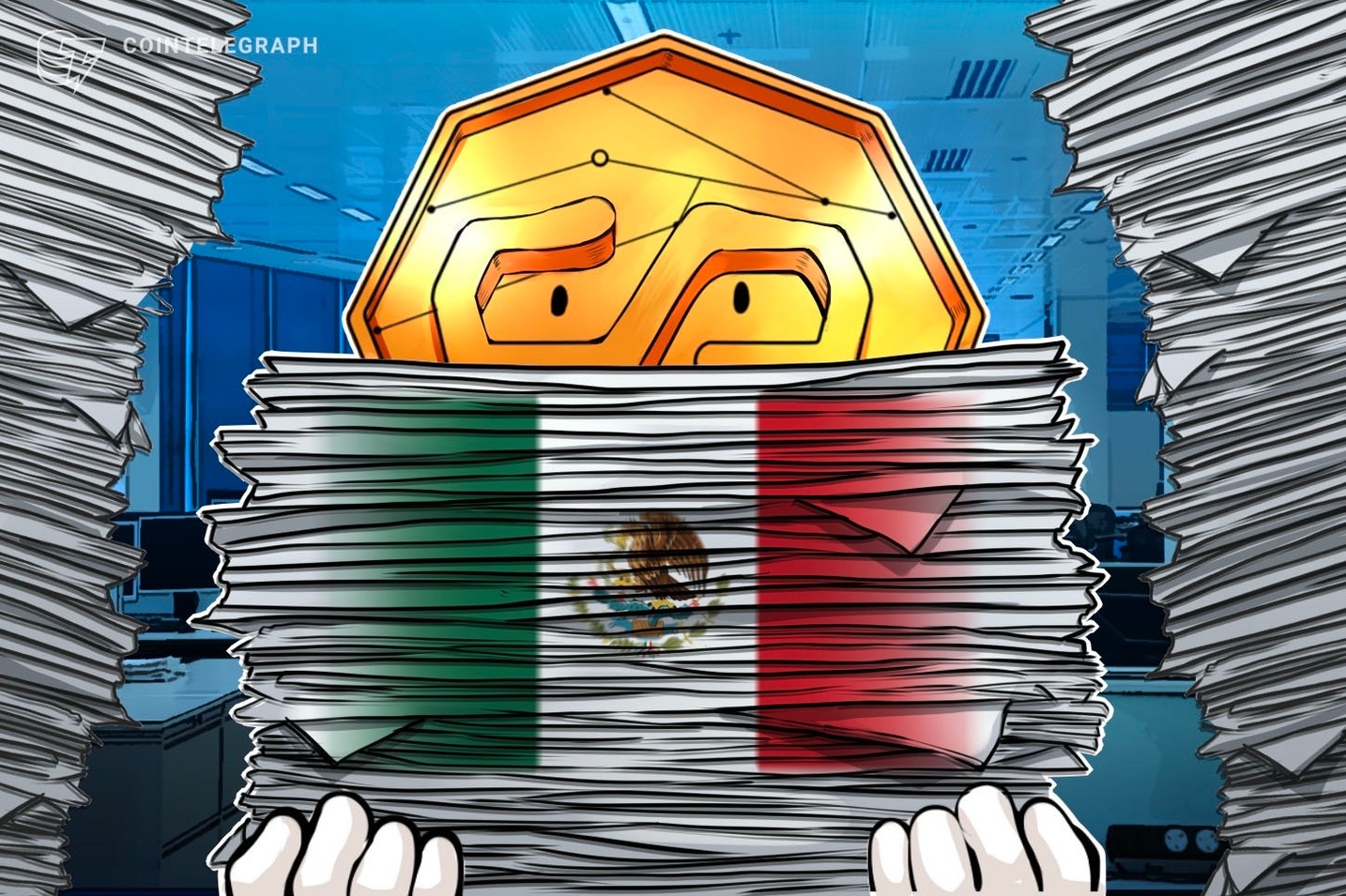
멕시코 은행의 새로운 안정성 보고서는 라틴 아메리카에서 암호화폐 채택이 가속화됨에 따라 유동성, 전염 및 규제 차익거래 위험을 지적합니다.
멕시코 중앙은행은 새로운 금융 안정성 보고서에서 스테이블코인의 급속한 성장, 차익거래를 촉진하고 시장 스트레스를 확대할 수 있는 전통적인 금융 및 글로벌 규제 격차와의 연관성을 언급하면서 "스테이블코인이 금융 안정성에 심각한 잠재적 위험을 초래한다"고 경고했습니다.
Banxicoreport에 따르면 Stablecoins의 단기 미국 국채에 대한 높은 의존도, 두 발행자가 공급량의 86%를 통제하는 시장 집중도 및 과거 stablecoin의 디페깅 사건은 해당 부문이 스트레스에 얼마나 취약한지를 강조합니다.
국제적으로 조율된 보호 장치가 없으면 대량 상환이나 발행자 실패가 더 넓은 자금 조달 시장으로 확산될 수 있다고 중앙은행은 경고했습니다.
Banxico는 또한 EU의 MiCA 및 미국 GENIUS Actimpose와 같은 프레임워크가 서로 다른 준비금, 상환 및 예금자 보호 요구 사항을 적용하여 관할권 간 차익 거래를 장려할 수 있는 규제 격차를 만든다는 점을 지적하면서 점점 커지는 위험 원인으로 다양한 규제 접근 방식을 강조했습니다.
Banxico는 스테이블 코인이 결제 효율성을 향상시키고, 이체 비용을 줄이며, 분산 금융에서 송금과 유동성을 지원할 수 있다는 점을 인정했습니다. 다만, 전통적인 금융시스템과 가상자산은 더 넓은 시장에 스트레스를 줄 가능성이 있다는 점을 들어 신중한 거리를 둘 계획입니다.
멕시코의 암호화폐 채택률은 상대적으로 낮습니다. 체이널리시스의 글로벌 암호화폐 채택 지수(Global 암호화폐 Adoption Index)에 따르면, 국가는 채택 순위에서 2024년 14위에서 2025년 23위로 떨어졌습니다.
중앙은행의 경고는 암호화폐에 대한 멕시코의 보다 광범위한 신중한 입장을 반영합니다. Bitso와 같은 거래소의 증가에도 불구하고 국가는 중요한 새로운 디지털 자산 법안을 도입하지 않았으며 여전히 2018년 핀테크 법률을 주요 규제 프레임워크로 삼고 있습니다.
관련 항목: 인플레이션이 심해지면서 라틴 아메리카에서는 은행가 대신 스테이블코인을 사용합니다.
멕시코 중앙은행은 디지털 자산에 대해 신중한 입장을 유지하는 반면, 다른 라틴 아메리카 국가들은 디지털 자산 채택을 받아들였습니다.
Chainalytic의 2025년 암호화폐 지리 보고서에 따르면 라틴 아메리카는 거의 1달러를 창출했습니다. 2022년 7월부터 2025년 6월까지 암호화폐 거래량이 5조 달러에 달하며, 월간 거래액은 20달러에서 2024년 12월까지 약 880억 달러로 증가합니다. 2022년 중반에는 80억 달러. 2024년 말과 2025년 초 몇 달 동안 꾸준히 600억 달러를 초과했습니다.
보고서에 따르면 브라질은 318달러를 받아 라틴아메리카를 큰 차이로 앞섰습니다. 2022년 7월부터 2025년 6월까지 암호화폐 가치는 80억 달러로 이 지역 전체 활동의 거의 3분의 1에 달했고 아르헨티나는 93달러로 2위를 차지했습니다. 거래량 90억개.
두 주요 국가의 중앙은행도 디지털 자산 규제에 더욱 적극적인 자세를 취하고 있습니다.
지난 11월 브라질 중앙은행은 스테이블코인 거래와 특정 자체 보관 지갑 이체를 외환 운영으로 처리하는 등 암호화폐 기업을 은행 방식의 감독하에 두는 규정을 최종 확정했습니다.
치솟는 인플레이션으로 고통받고 있는 아르헨티나의 중앙은행은 금요일 라 나시온(La Nación)의 보고서에 따르면 2022년 금지 조치를 되돌리기 위해 전통적인 금융 기관들이 암호화폐를 거래할 수 있도록 허용할지 여부를 검토하고 있는 것으로 알려졌다.
매거진: 경찰보다 범죄에 더 잘 맞서 싸우는 온체인 암호화폐 수사관을 만나보세요.
원문 제목: Bank of Mexico warns fragmented global rules expose stablecoins to stress, arbitrage
The Bank of Mexico's new stability report flags liquidity, contagion and regulatory-arbitrage risks as crypto adoption accelerates in Latin America.
Mexico’s central bank warned in a new financial stability report that “stablecoins pose significant potential risks to financial stability,” citing their rapid growth, links to traditional finance and global regulatory gaps that could fuel arbitrage and magnify market stress.
Stablecoins’ heavy reliance on short-term US Treasurys, market concentration with two issuers controlling 86% of the supply and past depegging episodes with stablecoins underscore how vulnerable the sector remains to stress, according to the Banxicoreport.
Without coordinated international safeguards, mass redemptions or issuer failures could spill into broader funding markets, the central bank warned.
Banxico also highlighted diverging regulatory approaches as a growing source of risk, noting that frameworks like the EU’s MiCA and theUS GENIUS Actimpose different reserve, redemption and depositor-protection requirements, creating regulatory gaps that could incentivize arbitrage across jurisdictions.
Banxico acknowledged that stablecoins can improve settlement efficiency, reduce transfer costs and support remittances and liquidity in decentralized finance.
However, it plans to keep a cautious distance between the traditional financial system and virtual assets, citing their potential to cause stress in broader markets.
Crypto adoption in Mexico is relatively low.
According to Chainalysis’ Global Crypto AdoptionIndex, the country fell to 23rd place in 2025 from 14th place in 2024 in the adoption ranking.
The central bank’s warning reflects Mexico’s broader cautious stance on crypto.
Despite the rise of exchanges likeBitso, the country has not introduced significant new digital-asset legislation and stillrelieson its 2018 Fintech Law as the primary regulatory framework.
Related:As inflation bites, Latin America banks on stablecoins instead of bankers.
While Mexico’s central bank maintains a cautious stance on digital assets, other Latin American countries have embraced adoption.
Chainalysis’ 2025 Geography of Crypto Reportshowsthat Latin America generated nearly $1.
5 trillion in crypto transaction volume from July 2022 to June 2025, with monthly activity increasing to almost $88 billion by December 2024 from $20.
8 billion in mid-2022.
Several months in late 2024 and early 2025 consistently exceeded $60 billion.
According to the report, Brazil led Latin America by a wide margin, receiving $318.
8 billion in crypto value from July 2022 to June 2025, nearly one-third of all activity in the region, while Argentina ranked second with $93.
9 billion in transaction volume.
The central banks of the two leading countries are also taking a more proactive stance in regulating digital assets.
In November,Brazil’s central bank finalized rulesthat place crypto companies under banking-style supervision, including treating stablecoin transactions and certain self-custody wallet transfers as foreign exchange operations.
In Argentina, a country that hassuffered from soaring inflation, the central bank is reportedly weighing whether to allowtraditional financial institutions to trade cryptocurrenciesin a potential reversal of its 2022 ban, according to areportfrom La Nación on Friday.
Magazine:Meet the onchain crypto detectives fighting crime better than the cops.