새로운 행동 지표와 충성도 경제학이 실제 사용의 의미를 재정의함에 따라 암호화폐 채택은 지갑 수에서 주중 지출로 전환됩니다.
후원 콘텐츠.
암호화폐는 글로벌 금융에서 안정적인 위치를 차지하고 있습니다. 결제 회사인 Triple-A의 2024년 보고서에 따르면 전 세계적으로 약 5억 6, 200만 명이 디지털 통화를 소유하고 있으며 이는 전 세계 인구의 약 6. 8%에 해당합니다.
그러나 지불 행동은 천천히 성장하고 있습니다. 캔자스시티 연방준비은행의 조사에 따르면 미국 소비자 중 2% 미만이 구매나 송금 등 결제에 암호화폐를 사용하는 것으로 나타났습니다. 많은 사람들이 암호화폐를 투자 목적이나 서비스 간 가치 이동 수단으로 보유하고 있으며 여전히 슈퍼마켓에서 은행 카드를 찾고 있습니다.
로열티 프로그램은 반대 방향으로 움직입니다. 2024년 시장 정보 보고서에 따르면 글로벌 충성도 시장은 2024년 약 1, 510억 달러에 도달하고 2028년까지 약 2, 150억 달러 규모로 성장할 것으로 예상됩니다.
암호화폐 보유자의 대규모 기반과 상당한 충성도 지출 풀이 언제 식료품, 차량 서비스 및 구독에 대한 간단한 주중 지불로 표시되기 시작합니까? .
프로젝트는 일반적으로 쉬운 성공 지표를 가리킵니다. 팀은 지갑 수, 발행한 카드 수, 보관된 가치 금액을 보고합니다. 이 수치는 잠재적인 접근 가능성을 설명하고 슬라이드에서는 강력해 보이지만 사람들이 암호화폐를 일상 화폐로 취급하는지 여부를 보여주지는 못합니다. 한 명의 매니아는 여러 개의 지갑을 만들고, 여러 거래소에 잔액을 유지하고, 둘 이상의 제공업체의 카드를 보관할 수 있습니다.
더 긴밀한 행동 지표 그룹은 더 명확한 보기를 제공합니다. 첫 지출까지의 시간은 신규 사용자가 온보딩 후 첫 번째 결제를 완료하는 속도를 추적합니다. 주간 활성 지불자에는 일주일에 최소 한 번 지불하는 사람이 포함되며 식료품, 교통비 또는 구독료에 대한 지출이 강조됩니다. 실패 및 거부율은 체크아웃 시 결제 시도가 실패한 횟수를 보여주며, 온체인 잔액, 오프체인 결제 및 발급자 위험 규칙 간의 격차를 드러냅니다.
이 세 가지 지표가 함께 빌더를 위한 제품 개요를 구성합니다. 생태계에는 첫 지출 시간을 단축하고, 주간 활성 지불자 수를 늘리며, 사람들이 이미 쇼핑하는 장소에서 거부율을 낮게 유지하는 서비스가 필요합니다.
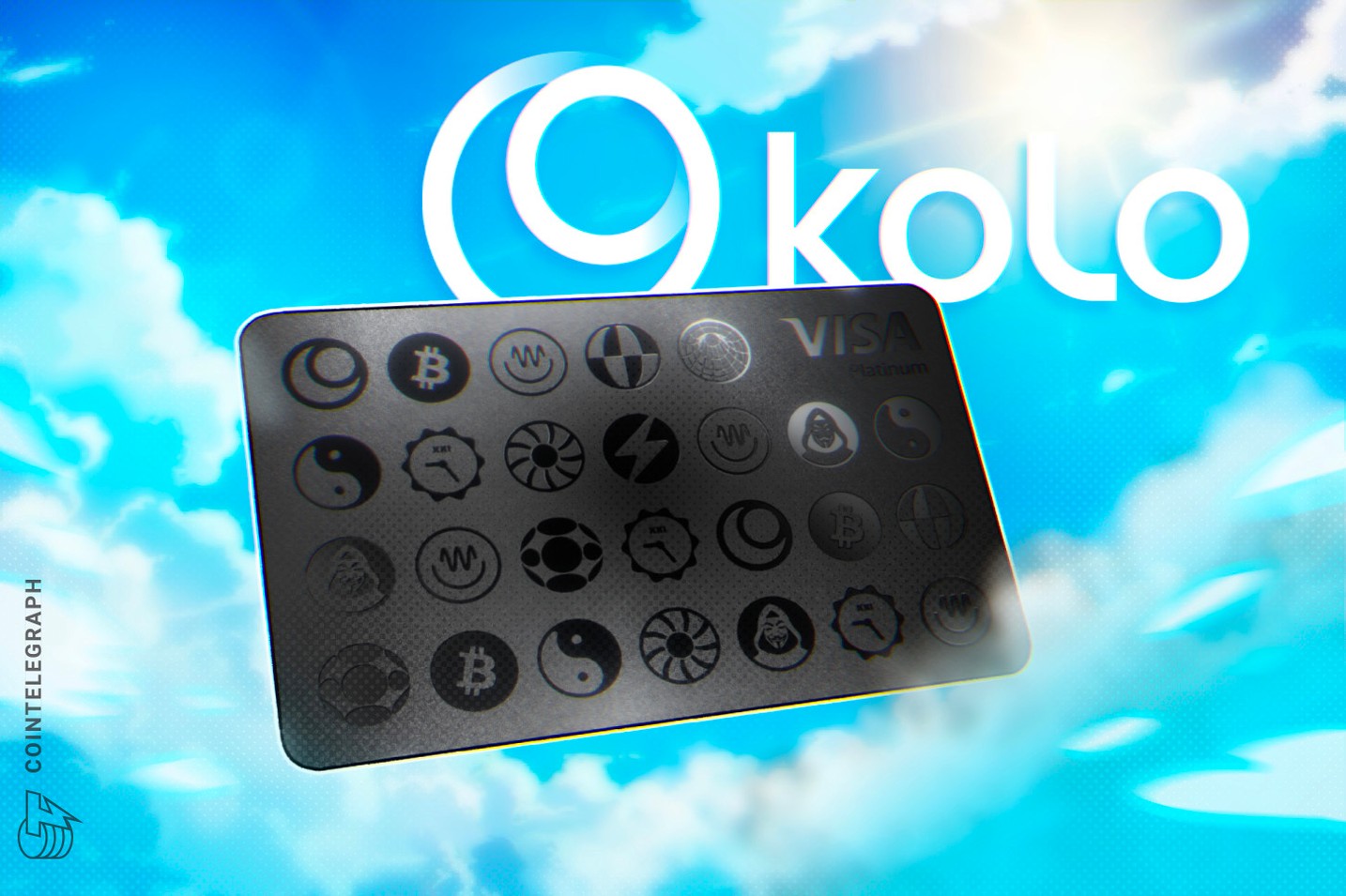
올인원 암호화폐 앱 Kolo는 해당 개요에 대한 단일 솔루션을 제공합니다. Kolo는 다중 네트워크 지갑과 Apple Pay 및 Google Pay와 호환되는 Visa 카드를 통해 디지털 자산과 일상 지출을 연결하는 결제 계층입니다.
새로 출시된 콜로 카드(Kolo Card)는 사용자가 수백만 가맹점에서 암호화폐로 결제하고 비트코인(BTC)으로 최대 5% 캐시백을 받을 수 있는 가상 비자(Visa) 카드를 선보였습니다. 사용자는 Apple Pay 또는 Google Pay가 허용되는 곳이면 어디에서나 Amazon, Instagram, Telegram, Netflix 또는 Steam과 같은 서비스 비용을 지불할 수 있습니다.
Kolo에는 100, 000개 이상의 지갑과 약 50, 000명의 월간 사용자가 있습니다. 대부분의 Kolo 카드 거래는 레스토랑, 슈퍼마켓, 교통 및 디지털 구독과 같은 친숙한 지출 범주에 속하며 460, 000건 이상의 결제가 처리됩니다.
💳 Kolo 카드 출시 — 첫 번째 Kolo 지갑 마일스톤이 잠금 해제되었습니다! 암호화폐 사용: 🍝 미슐랭 스타 저녁 식사✈️ 막바지 비즈니스 클래스🛍 한정판 드롭 암호화폐 생활을 더욱 강화할 더 많은 기능이 곧 출시됩니다! 그림. 지저귀다. com/7nFAZPUcU3.
일반적인 Kolo 거래는 커피숍, 식료품 충전 또는 스트리밍 갱신처럼 보입니다. 사용자는 자금을 지갑으로 옮기고 백그라운드에서 암호화폐를 사용하여 일상적인 비용을 처리할 수 있음을 확인합니다. 이 패턴은 주간 활성 지불자의 아이디어와 일치합니다.
Kolo는 이러한 행동 지표에 맞춰 경험을 조정합니다. 이 제품은 신규 사용자가 가입부터 첫 번째 결제까지 하나의 흐름으로 이동하고 익숙한 구매에 매주 카드를 계속 사용할 수 있도록 돕는 것을 목표로 합니다. 결제 과정에서 사용자의 휴대폰이나 스마트워치를 한 번만 탭하면 암호화폐가 현지 통화로 변환됩니다.
주요 기능은 다음과 같습니다.
11개 네트워크에 걸친 디지털 지갑입니다.
수백만 가맹점에서 Apple Pay 및 Google Pay용 Kolo 카드를 사용할 수 있습니다.
카드 및 결제 기능을 잠금 해제하는 1분 고객 파악(KYC)입니다.
PIX, MPESA 등을 포함한 15개 이상의 다양한 결제 방법.
구매할 때마다 BTC 잔액이 늘어나는 최대 5% 비트코인 캐시백.
이 구조는 첫 지출까지의 짧은 시간을 목표로 합니다. 사용자는 앱을 다운로드하고 약 1분 안에 KYC를 완료하고, Kolo 카드를 받고 2분 안에 사용을 시작할 수 있습니다. 더 이상 여러 중개자를 통해 자금을 이동할 필요가 없습니다.
규정 준수와 인프라는 그 여정의 핵심입니다. Kolo는 MiCA 조정 및 여행 규칙 준수에 따라 운영되며 AML(자금 세탁 방지) 보호 기능을 포함합니다. 이러한 기반은 카드, 지갑 및 백엔드 결제가 동일한 규칙과 위험 관점을 공유하기 때문에 팀의 실패율과 거부율을 낮추는 데 도움이 됩니다.
Kolo의 CEO인 Pavel Luchkovskyi는 "일상 사용자에게 가치를 저장하고 이동하는 보편적인 방법으로 스테이블코인이 부상하면서 마찰이 제거될 뿐입니다. 디지털 화폐는 마침내 자연스럽게 느껴지는 디지털 형태로 존재하게 되었습니다"라고 덧붙였습니다.
Kolo는 또한 일상적인 행동을 강화하기 위해 보상을 사용합니다. 비트코인 캐시백 모델은 오프체인 결제를 온체인 절약과 연결합니다. 사용자는 실제 또는 디지털 상점에서 일반 구매 비용을 지불하고 동시에 BTC 스택을 성장시킵니다.
암호화폐 채택 이야기는 종종 지갑 이정표와 가격 차트를 강조합니다. 팀이 화요일 아침에 얼마나 많은 사람들이 전화를 탭하고 원활한 암호화폐 지원 결제를 완료하는지 추적하면 또 다른 그림이 나타납니다.
첫 지출까지의 시간, 주간 활성 지불자 및 실패 또는 거부율이 이러한 구조를 제공합니다. 이러한 지표는 건축업자와 투자자가 UX, 진입로 디자인 및 가맹점 범위를 성장의 중심 수단으로 여기도록 장려합니다.
Kolo는 이러한 사고방식이 실제 제품에서 어떻게 나타나는지 보여줍니다. 이 회사는 하이브리드 지갑, 전 세계적으로 통용되는 카드, 다양한 결제 레일 및 비트코인 보상을 기존 결제 습관에 맞는 하나의 경험으로 통합합니다. 사용자가 일상 생활에 집중하는 동안 암호화폐는 뒤에서 실행됩니다.
부인 성명. 후원받은 글입니다. 이 콘텐츠는 당사 광고팀이 작성했습니다. 코인텔레그래프는 이 페이지의 어떤 콘텐츠나 제품도 보증하지 않습니다. 우리는 이 후원 기사에서 얻을 수 있는 모든 중요한 정보를 귀하에게 제공하는 것을 목표로 하고 있지만 독자는 회사와 관련된 조치를 취하기 전에 스스로 조사해야 하며 결정에 대한 전적인 책임을 져야 하며 이 기사는 투자 조언으로 간주될 수 없습니다.
원문 제목: The real crypto adoption shows on Tuesday morning payments
Crypto adoption shifts from wallet counts to weekday spending as new behavioral metrics and loyalty economics redefine what real usage means.
Sponsored Content.
Crypto occupies a stable place in global finance.
A 2024 report from payments firm Triple-A estimates that approximately562 million people worldwideown digital currencies, accounting for around 6.
8% of the global population.
Yet payment behavior grows slowly.
Research from the Federal Reserve Bank of Kansas Cityindicatesthat less than 2% of US consumers use cryptocurrency for payments, such as purchases or money transfers.
Many people hold crypto as an investment or as a way to move value between services, and they still reach for bank cards at the supermarket.
Loyalty programs move in the opposite direction.
A 2024 market intelligence reportexpectsthe global loyalty market to reach about $151 billion in 2024 and to grow toward roughly $215 billion by 2028.
When will the large base of crypto holders and the significant pool of loyalty spend begin to show up as simple weekday payments for groceries, rides and subscriptions?.
Projects usually point to easy success markers.
Teams report the number of wallets,the number of cardsthey have issued and the amount of value in custody.
These figures describe potential access, and they look strong on a slide, yet they fail to show whether people treat crypto as everyday money.
A single enthusiast can create several wallets, keep balances on multiple exchanges and hold cards from more than one provider.
A tighter group of behavioral metrics gives a clearer view.
Time-to-first-spend tracks how quickly new users complete a first successful payment after onboarding.
Weekly active payers count people who make at least one payment in a week, and they highlight spending on groceries, transport or subscriptions.
Fail and decline rate shows how many attempted payments fail at checkout, and it exposes gaps between onchain balances, offchain settlement and issuer risk rules.
Together, these three metrics form a product brief for builders.
The ecosystem needs services that shorten time-to-first-spend, raise weekly active payer numbers and keep decline rates low at the places where people already shop.
All-in-one crypto appKolooffers a single solution to that brief.
Kolo is a payment layer that bridges digital assets with everyday spending through a multi-network wallet and a Visa card that works with Apple Pay and Google Pay.
The newly launched Kolo Card has introduced a virtual Visa card that allows users to pay with cryptocurrency at millions of merchants and receive up to 5% cashback in Bitcoin (BTC).
Users can pay for services such as Amazon, Instagram, Telegram, Netflix or Steam wherever Apple Pay or Google Pay is accepted.
Kolo has more than 100,000 wallets and around 50,000 monthly users.
Most Kolo Card transactions fall into familiar spending categories such as restaurants, supermarkets, transport and digital subscriptions, with over 460,000 payments processed.
💳 Kolo Card is LIVE — the first Kolo wallet milestone unlocked!Spend your crypto for:🍝 Michelin-star dinners✈️ Last-minute business-class🛍 Limited-edition dropsMore features are on the way to supercharge you live in crypto!pic.
twitter.
com/7nFAZPUcU3.
The typical Kolo transaction looks like a coffee run, a grocery top-up or a streaming renewal.
Users move funds into the wallet, and they see that they can handle routine expenses with crypto in the background.
That pattern matches the idea of weekly active payers.
Kolo aligns its experience with these behavioral metrics.
The product aims to help new users move from signup to the first successful payment in one flow and to keep using the card every week for familiar purchases.
During checkout, the cryptocurrency is converted to the local currency with a single tap on the phone or smart watch of the user.
Key features include:.
A digital wallet across 11 networks.
Kolo Card for Apple Pay and Google Pay at millions of merchants.
One-minuteKnow Your Customer (KYC)that unlocks the card and payment features.
More than 15 different payment methods, including PIX, MPESA and many others.
Up to 5% Bitcoin cashback that grows a BTC balance on every purchase.
This structure aims for a short time-to-first-spend.
A user can download the app, complete KYC in about a minute, receive a Kolo Card and start using it in under two minutes.
They no longer need to move funds through multiple intermediaries.
Compliance and infrastructure sit at the core of that journey.
Kolo operates with MiCA alignment and Travel Rule compliance, and it includes Anti-Money Laundering (AML) protections.
These foundations help the team lower fail and decline rates because the card, the wallet and the back-end settlement share the same rules and risk view.
“For everyday users, stablecoins’ rise as a universal way to store and move value simply removes friction.
Digital money finally exists in a digital form that feels natural,” said Pavel Luchkovskyi, CEO of Kolo, adding:.
Kolo also uses rewards to reinforce everyday behavior.
The Bitcoin cashback model links offchain payments to onchain savings.
Users pay for ordinary purchases at physical or digital merchants, and they grow a BTC stack in parallel.
The story of crypto adoption oftenhighlights wallet milestonesand price charts.
Another picture emerges when teams track how many people tap a phone on a Tuesday morning and complete a smooth crypto-backed payment.
Time-to-first-spend, weekly active payers and fail or decline rates give that picture structure.
These metrics encourage builders and investors to treat UX, on-ramp design and merchant coverage as central levers for growth.
Kolo shows how this mindset looks in a live product.
The company brings together a hybrid wallet, a globally accepted card, a variety of payment rails and Bitcoin rewards in one experience that fits existing payment habits.
Cryptocurrency runs behind the scenes while users focus on their everyday lives.
Disclaimer.
This is a sponsored article.
This content is written by our advertorial team.
Cointelegraph does not endorse any content or product on this page.
While we aim at providing you with all important information that we could obtain in this sponsored article, readers should do their own research before taking any actions related to the company and carry full responsibility for their decisions, nor can this article be considered as investment advice.