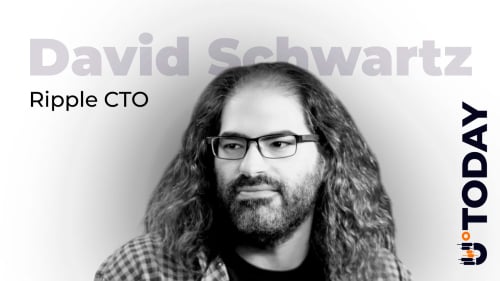
최근 소셜 미디어 게시물에서 리플 CTO David Schwartz는 에스크로 설정으로 인해 실제로 Ripple이 원하는 만큼의 XRP를 판매하는 것을 방해했다고 밝혔습니다.
"에스크로우 이전에 리플은 매달 원하는 만큼의 XRP를 판매할 수 있었습니다. "
에스크로 이전에 Ripple은 매달 원하는 만큼의 XRP를 판매할 수 있었습니다. 그리고 저는 그러한 유연성을 포기할 만큼 충분한 장점이 없다고 판단했기 때문에 에스크로를 시행하기로 한 결정에 반대했습니다.
이는 Schwartz가 소매 투자자를 희생하여 "그의 경력에 자금을 조달"하기 위해 매월 10억 XRP를 시장에 체계적으로 투기하기 위해 리플 Escrow 시스템을 구축했다고 사용자가 말한 후에 나온 것입니다.
대화는 Elon Musk의 변호로 시작하여 Ripple의 XRP 판매에 대한 공격으로 전환되며 Ripple의 유명한 Escrow 역사에 대한 놀라운 폭로로 마무리됩니다.
대화는 슈워츠가 억만장자와 세금에 관한 일반적인 오해를 바로잡는 것으로 시작됩니다.
비평가는 머스크의 세금 계산서(100억 달러)를 그의 총 자산(7000억 달러)과 비교하기 때문에 머스크의 세율이 낮다(1. 43%)고 주장합니다.
2025년 12월 24일 수요일 - 10: 36XRP가 주요 테스트넷 업그레이드로 양자 저항에서 비트코인을 앞지릅니다. ByGamza Khanzadaev.
그러나 귀하가 소유한 것이 아니라 귀하가 벌거나 판매한 것에 대해 세금이 부과됩니다. 머스크가 자신의 주식을 팔지 않는다면 그는 아직 과세 측면에서 그 돈을 "벌지" 못한 것입니다. 따라서 미실현 이익이 은행 계좌에 있는 현금인 것처럼 과세할 수 없습니다.
2017년에 Ripple은 550억 개의 XRP를 일련의 에스크로에 묶어 매달 10억 개의 XRP를 발행했습니다. 이는 투자자에게 예측 가능성과 확실성을 제공하는 방법으로 마케팅되었습니다.
에스크로는 제한 사항이었습니다. 2017년 이전에 Ripple은 보유 자산에 대한 완전한 접근 권한을 갖고 있었으며 원할 경우 한 달에 10억 개 이상을 판매할 수 있었습니다.
Schwartz는 실제로 에스크로에 반대표를 던졌다고 밝혔습니다. 왜? 그는 운영 유연성을 중요하게 생각했습니다. 그는 "상향"이 "하향"만큼 가치가 있다고 생각하지 않았습니다(리플은 자본에 자유롭게 접근할 수 있는 능력을 상실했습니다). 이는 리플 경영진이 에스크로를 좋아한다는 이야기와 모순됩니다.
또한 리플 CTO는 거래자들이 향후 판매를 고려하여 이미 XRP 가격을 조정했다고 말했습니다.
"그리고 생각해 보면 사람들이 알고 있고 일어날 것으로 예상되는 모든 것이 이미 현재 가격에 내장되어 있어야 합니다"라고 그는 말했습니다.
원문 제목: Ripple Could Have Sold as Much XRP as It Wanted, CTO Says
In a recentsocial media post, Ripple CTO David Schwartz clarified that the establishment of the escrow actually prevented Ripple from selling as much XRP as it wanted.
"Before the escrow, Ripple could have sold as much XRP as it wanted every month.
".
Before the escrow, Ripple could have sold as much XRP as it wanted every month.
And I opposed the decision to implement the escrow precisely because I didn't see enough upside to justify giving up that flexibility.
This comes after a user stated that Schwartz established the Ripple Escrow system to systematically dump 1 billion XRP onto the market every month to "fund his career" at the expense of retail investors.
The conversation starts with a defense of Elon Musk, pivots to an attack on Ripple's XRP sales, and culminates in a surprising revelation about the history of Ripple's famous Escrow.
The conversation begins with Schwartz correcting a common misconception regarding billionaires and taxes.
The critic argues Musk's tax rate is low (1.
43%) because they are comparing his tax bill ($10B) to his total wealth ($700 billion).
You Might Also LikeWed, 12/24/2025 - 10:36XRP Jumps Ahead of Bitcoin on Quantum Resistance With Major Testnet UpgradeByGamza Khanzadaev.
However, you are taxed on what you earn or sell, not on what you own.
If Musk doesn't sell his stock, he hasn't "earned" that money in a taxable sense yet.
Hence, you cannot tax unrealized gains as if they were cash in a bank account.
In 2017, Ripple locked 55 billion XRP into a series of escrows to release 1 billion per month.
This was marketed as a way to create predictability and certainty for investors.
The escrow was a restriction.
Before 2017, Ripple had totalaccessto their holdings and could have soldmorethan 1 billion a month if it chose.
Schwartz reveals he actually voted against the escrow.
Why? He valued operational flexibility.
He didn't think the "upside" was worth the "downside" (Ripple losing the ability to access their capital freely).
This contradicts the narrative that Ripple execs love the escrow.
Moreover, the Ripple CTO has opined that traders have already adjusted the price of XRP today to account for those future sales.
"And if you think about it, everything people know will happen and expect to happen should already be built into the current price," he said.