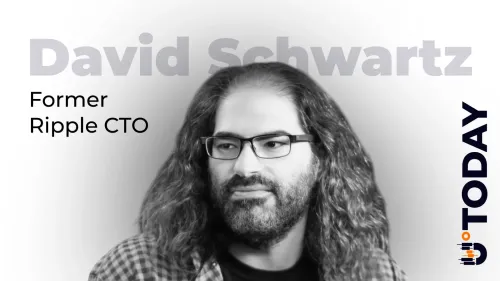
논란의 여지가 있는 샌프란시스코에 본사를 둔 Ripple이 어떻게 막대한 XRP 자산을 관리하는지에 대한 끊임없는 논쟁이 X 소셜 미디어 네트워크에서 계속해서 불타오르고 있습니다.
이번에는 Ripple의 명예 CTO인 David Schwartz가 회사의 주주들이 소매 XRP 구매자를 희생하여 포위당하고 있다는 최근 비난을 다루었습니다.
저명한 체인링크 프로 평론가인 Zach Rynes가 Ripple의 이중 자금 조달 모델을 겨냥하면서 교환이 시작되었습니다.
그는 회사(이 경우 리플)가 개인 투자자에게 지분을 발행하고 대중에게 토큰을 발행할 때 이해 상충이 있다고 가정합니다. 소매 XRP 구매자는 실제로 "당신보다 주식 주주를 우선시할 것이라고 공개적으로 밝힌 회사에 자금을 지원하고 있습니다. "
그는 Ripple이 다른 회사를 인수하고 주식 환매 자금을 조달하기 위해 "사전 채굴된 코인" 판매 수익금을 사용하는 것이 허용되는 이유를 커뮤니티에 설명하도록 요청했습니다.
이에 대해 일부 XRP 팬들은 Rynes가 "오해의 소지가 있는 프레이밍"을 사용하고 있다고 주장했습니다. 그들은 XRP와 같은 개방형 네트워크 자산이 전통적인 기업 자산처럼 작동할 것이라고 기대하는 것은 디지털 자산의 작동 방식을 근본적으로 오해하고 있다고 지적했습니다.
David Schwartz는 Rynes의 전제에 직접적으로 무게를 두었습니다. Schwartz는 이러한 매도가 자산을 축적하려는 투자자에게 본질적으로 해롭다는 프레임에 이의를 제기했습니다.
Schwartz는 "이 모든 것이 XRP를 보유하여 이익을 얻으려는 사람들에게 좋다고 주장하는 사람도 똑같이 잘(실제로는 똑같이 잘못) 주장할 수 있습니다"라고 썼습니다. 그는 매각으로 인해 자산 가치가 억제된다면 "그렇지 않은 경우보다 훨씬 낮은 가격에 구입할 수 있다는 의미"라고 설명했습니다.
일부 다른 사용자들은 Ripple의 XRP 판매 수익금이 궁극적으로 XRP Ledger의 유용성과 장기적인 가치를 강화하는 인프라를 구매하고 구축하는 데 적극적으로 사용된다고 주장했습니다. 한 사용자는 "회사 성장 = 회사의 건전성. 토큰의 가치는 시간이 지남에 따라 증가할 것으로 예상됩니다"라고 덧붙였습니다.
몇몇 사용자들은 Ripple에 적용된 이중 표준을 지적했습니다. 예를 들어, 이더리움 내부자는 대량의 ETH를 자주 판매합니다. Rynes가 옹호하는 네트워크인 Chainlink조차도 프로젝트 개발 자금을 조달하기 위해 토큰을 판매합니다.
원문 제목: Ripple's Schwarz: Bad Logic Says XRP Sales Give Discounts
The evergreen debate over how Ripple, the controversial San Francisco-headquartered firm, manages its vast XRP riches keeps flaring up on the X social media network.
This time, David Schwartz, Ripple's CTO Emeritus,stepped into address the latest accusations that the company's shareholders are being encircled at the expense of retail XRP buyers.
The exchange kicked off when Zach Rynes, a prominent pro-Chainlink commentator, took aim at Ripple’s dual-funding model.
He posits that there is a conflict of interest when a company (in this case, Ripple) issues both equity to private investors and a token to the public.
Retail XRP buyers are actually "funding a company that has openly stated it will prioritize its equity shareholders over you.
".
He has challenged the community to explain why it is acceptable for Ripple to use the proceeds from selling "premined coins" to acquire other companies and fund stock buybacks.
In response, some XRP fans have argued that Rynes was using "misleading framing.
" They pointed out that expecting an open network asset like XRP to behave like traditional corporate equity fundamentally misunderstands how digital assets work.
David Schwartz then weighed in directly on Rynes's premise.
Schwartz challenged the framing that this selling is inherently detrimental to investors looking to accumulate the asset.
"One could equally well (actually, equally wrongly) make the argument that all of this is great for people trying to make a profit by holding XRP," Schwartz wrote.
He explained that if the sales suppress the asset's value, "it means that they can buy at a much lower price than they would have to otherwise.
".
Some other users have argued that the proceeds from Ripple's XRP sales are actively used to purchase and build infrastructure that ultimately bolsters the utility and long-term value of the XRP Ledger.
"Company growth = strong company health.
value of token expected to grow over time," one user added.
Several users pointed out the double standards applied to Ripple.
Ethereum insiders, for instance, frequently sell massive amounts of ETH.
Even Chainlink, the network Rynes advocates for, sells tokens to fund its project development.