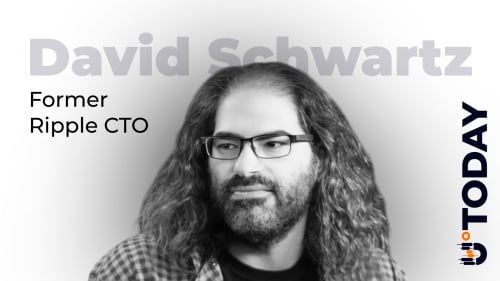
리플의 최고 기술 책임자인 데이비드 슈워츠(David Schwartz)는 제도적 채택을 촉진하기 위해 XRP 비용을 인위적으로 보조금을 지급한다는 아이디어에 반대했습니다.
X 소셜 미디어에서 리플 경영진은 은행에 "가짜 할인"을 제공하는 것이 회사가 적극적으로 피하는 위험한 장기 비즈니스 전략인 이유를 설명했습니다.
X의 커뮤니티 회원은 최근 디지털 자산 사용을 장려하기 위한 새로운 전략을 제안했습니다.
사용자는 XRP와의 거래를 촉진하기로 명시적으로 선택한 기관을 위해 소프트웨어 구독을 약간 더 저렴하게 만드는 아이디어를 제시했습니다.
Schwartz는 리더십 팀이 이 문제를 조사했음을 인정했습니다. 그러나 그는 단지 채택을 강요하기 위해 가격을 조작한다는 전제를 거부했습니다.
그의 요점을 설명하기 위해 리플 CTO는 인위적인 암호화폐 인센티브를 Uber와 같은 주요 기술 스타트업이 채택한 초기 손실 창출 전략과 비교했습니다.
비용을 지원하면 사용자 기반을 빠르게 구축할 수 있지만 Schwartz는 이것이 취약한 비즈니스 모델을 만드는 경우가 많다고 경고했습니다.
"Ripple이 하지 않도록 항상 노력한 것 중 하나는 말이 안 되지만 사람들은 돈을 위해 할 일을 하도록 사람들에게 돈을 지불함으로써 성장하는 비즈니스를 구축하는 것이었습니다. 예를 들어, 제가 지난 10년 동안 Uber의 CEO였다면 제가 가장 걱정했던 것은 우리가 돈을 잃고 있기 때문에 사람들이 Uber를 사용한다는 것이었습니다... "
Schwartz는 Ripple의 주요 목표가 국경 간 결제와 관련된 마찰을 제거하는 것이라고 강조했습니다. 이를 통해 기술의 기본 유틸리티가 그 자체로 드러날 수 있습니다.
경영진에 따르면 회사는 매우 논리적인 조건에서만 재정적 인센티브를 사용할 것이라고 합니다.
유료 입양 내역.
그럼에도 불구하고 Ripple은 역사적으로 회사에 기술과 XRP 토큰을 사용하도록 비용을 지불했습니다.
아마도 가장 유명한 사례는 국경간 결제 대기업인 Money Gram일 것입니다. Ripple은 5천만 달러의 초기 지분 투자와 플랫폼 사용에 대한 지속적인 재정적 인센티브("시장 개발 수수료")를 통해 파트너십에 막대한 보조금을 지급했습니다.
원문 제목: Ripple's Schwartz Rejects Fake Discounts for XRP
Ripple Chief Technology Officer David Schwartz haspushed backagainst the idea of artificially subsidizing the cost of XRP to promote institutional adoption.
On the X social media, the Ripple executive explained why offering "fake discounts" to banks is a dangerous long-term business strategy that the company actively avoids.
A community member on X recently proposed a new strategy to incentivize the use of the digital asset.
The user has pitched the idea of making software subscriptions slightly cheaper for institutions that explicitly choose to facilitate their transactions with XRP.
Schwartz acknowledged that the leadership team has explored this.
However, he has rejected the premise of manipulating prices just to force adoption.
In order to illustrate his point, the Ripple CTO compared artificial crypto incentives to the early loss-making strategies employed by major tech startups like Uber.
Subsidizing costs can quickly build a user base, but Schwartz warned that it often creates a fragile business model.
"One of the things I've tried to always make sure Ripple wasn't doing was building up a growing business by paying people to do things that don't make sense, but that people will do for money.
For example, if I were CEO of Uber over the past decade, my number one concern was that people were using Uber because we were losing money…".
Schwartz has stressed that Ripple’s main goal is to strip away the friction associated with cross-border payments.
This will allow the technology's native utility to speak for itself.
According to the executive, the company will only use financial incentives under very logical conditions.
History of paid adoption.
Still, Ripple has historically paid companies to use its technology and the XRP token.
Cross-border payments giant MoneyGram is probably the most famous example.
Ripple was heavily subsidizing the partnership with a $50 million initial equity investment and ongoing financial incentives to use the platform ("market development fees").