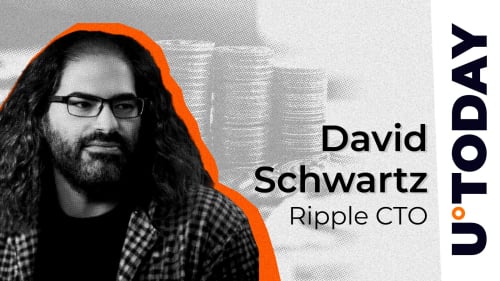
리플 베테랑 David Schwartz는 회사가 XRP 에스크로의 대부분을 숨겨진 기관 플레이어에게 비밀리에 사전 할당했다고 주장하는 소셜 미디어 소문을 폭로했습니다.
최근 X 사용자는 리플 CTO 명예가 이러한 비밀 계약의 존재를 확인했다고 거짓 주장을 했습니다.
초기 소셜 미디어 게시물은 Ripple의 배후에서 숨겨진 작업이 진행되고 있음을 암시했습니다.
매월 토큰을 발행하는 Ripple의 잠긴 XRP 에스크로의 대부분은 이미 기관 구매자나 특정 파트너에게 비밀리에 할당되었습니다. 이는 민간 계약을 통해 이루어진 것으로 추정됩니다.
소매 투자자들은 (최근 음모론에서 알 수 있듯이) 자산의 실제 분배에 대해 알지 못하고 있는 것으로 알려졌습니다.
그러나 Schwartz는 새로운 소문을 차단하기 위해 신속하게 답변했습니다.
당신 말이 맞아요. 저는 절대 그런 말을 한 적이 없습니다.
최근 발언 이틀 전, 리플 명예 CTO는 은행에 "가짜 할인"을 제공하거나 디지털 자산을 사용하도록 인위적인 인센티브를 제공하는 또 다른 논란의 여지가 있는 아이디어를 거부했다는 헤드라인을 장식했습니다. Schwartz는 그러한 보조금이 취약한 비즈니스 모델을 만든다고 주장했습니다. 그의 요점을 설명하기 위해 그는 이 전략을 거대 차량공유업체인 우버(Uber)의 초창기와 비교했습니다.
그는 손실을 초래하는 보조금은 옵션이 있을 때 즉시 포기하는 사용자를 끌어들이는 경우가 많다고 지적했습니다.
Schwartz는 Ripple이 유기적 성장을 선호하므로 XRP의 유틸리티가 인위적인 수요를 창출할 필요 없이 제도적 채택을 촉진할 수 있다고 강조했습니다.
원문 제목: Ripple's Schwartz Denies Pre-Allocated XRP Contracts Are Real
Ripple veteran David Schwartz has debunked asocial media rumorclaiming that the company has secretly pre-allocated the vast majority of its XRP escrow to hidden institutional players.
Recently, an X user falsely alleged that the Ripple CTO Emeritus had confirmed the existence of these clandestine contracts.
The initial social media post implied that there was a hidden operation occurring behind the scenes at Ripple.
The majority of Ripple's locked XRP escrow, which releases tokens on a monthly basis, was already secretly earmarked for institutional buyers or specific partners.
This was supposedly done through private contracts.
Retail investors were allegedly being kept in the dark about the true distribution of the asset (as the latest conspiracy theory implies).
However, Schwartz swiftly replied to shut down the emerging rumor.
You are correct.
I absolutely never said that.
Just two days before the latest comments, the Ripple CTO Emeritus made headlines forrejectinganother controversial idea: offering banks "fake discounts" or artificial incentives to force them to use the digital asset.
Schwartz argued that such subsidies create a fragile business model.
To illustrate his point, he compared the strategy to the early days of the ride-sharing giant Uber.
He noted that loss-making subsidies often attract users who will immediately abandon when there is an option to do so.
Schwartz stressed that Ripple prefers organic growth, allowing XRP's utility to drive institutional adoption without the need to manufacture artificial demand.