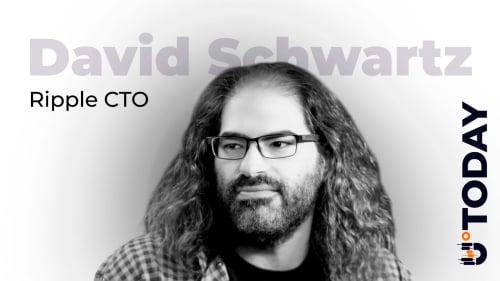
리플 명예 최고 기술 책임자(CTO)인 데이비드 슈워츠(David Schwartz)는 XRP 원장(XRPL)의 내부 작동에 대한 지속적인 오해를 해명하기 위해 나섰습니다.
그는 네트워크의 기본 토큰이 블록체인을 보호하는 데 사용되지 않는 이유를 자세히 설명했습니다.
X 사용자는 작업 증명(PoW), 지분 증명(PoS) 및 XRPL을 비교한 Schwartz의 이전 진술에 의문을 제기했습니다.
Schwartz는 이전에 XRPL이 "이해관계자가 선택한 희소성"에 의존한다고 언급했습니다. 비교를 위해 PoW는 컴퓨팅 성능을 사용하고 PoS는 기본 토큰의 가치를 사용합니다.
사용자는 XRP 자체가 이 모델에서 부족하도록 "선택된" 자산인지 물었습니다.
Schwartz는 토큰이 합의에 아무런 역할을 하지 않으며, 그 이유는 두 가지 주요 이유가 있다고 재빨리 설명했습니다.
우선, XRPL이 개발될 당시 지분 증명(Proof of Stake)은 "아직 발명되지도 않았고, 그것을 생각할 만큼 영리하지도 않았습니다. "
더 중요한 것은 Schwartz가 지적했듯이 XRP를 사용하여 합의 메커니즘을 구동하면 "사람들이 원하든 원하지 않든 Ripplein이 합의 메커니즘을 제어하게 되었을 것입니다. "
XRPL은 Schwartz가 "주주 선택"이라고 부르는 것에 의존합니다. 네트워크 참가자는 자신이 좋은 일을 하고 있다고 믿는 검증인과 합의에 도달하기로 선택합니다.
2020년 강의에서 Schwartz는 인위적인 금전적 보상이 실제로 네트워크의 실제 사용자에게 해를 끼친다고 주장했습니다. 그는 “블록체인이 유용하려면 최종 일관성이 필요합니다”는 것이 주요 기술적 장애물이라고 지적했지만, 이 문제를 해결하기 위해 엄청난 비용을 지불하는 것은 비효율적이라고 주장했습니다.
Schwartz는 기본적으로 내장된 채굴 또는 스테이킹 보상을 순 부정적으로 간주합니다. "인위적인 인센티브는 자연 이해관계자에 대한 공격이며 시스템에 남아 있는 마찰을 나타냅니다. "
그가 설명했듯이 "자연스러운 인센티브는 시스템에 참여하는 유일한 이유를 분산화합니다. 시스템이 안정적으로 작동하기를 원하기 때문입니다. 시스템에서 취할 것은 아무것도 없습니다. "
원문 제목: Schwartz: Ripple Doesn't Control Consensus
Ripple Chief Technology Officer Emeritus David Schwartz hasstepped into clarify persistent misconceptions about the inner workings of the XRP Ledger (XRPL).
He has detailed why the network’s native token is not used to secure the blockchain.
An X user questioned a previous statement made by Schwartz comparing proof of work (PoW), proof of stake (PoS), and the XRPL.
Schwartz had previously noted the XRPL relies on "stakeholder chosen scarcity.
" For comparison, PoW uses computing power, and PoS uses the value of a native token.
The user asked whether XRP itself was the asset "chosen" to be scarce in this model.
Schwartz was quick to explain that the token plays no role in consensus, and there are two main reasons why this is the case.
First of all, when the XRPL was being developed, Proof of Stake "hadn't been invented yet, and we weren't clever enough to think of it.
".
More importantly, as Schwartz has noted, using XRP to drive the consensus mechanism "would have leftRipplein control of the consensus mechanism whether people wanted that or not.
".
The XRPL relies on what Schwartz calls "shareholder choice.
" Network participants choose to come to a consensus with validators they believe are doing a good job.
In his 2020 lecture, Schwartz argued that artificial financial rewards actually harm the network's actual users.
He noted that the primary technical hurdle is that "eventual consistency is needed for blockchains to be useful," but argued that paying exorbitant fees to solve this problem is inefficient.
Schwartz fundamentally views built-in mining or staking rewards as a net negative: "artificial incentives are attacks on the natural stakeholders, and they represent friction left in the system.
".
As he explained, "natural incentives decentralize the only reason to participate in the system is because you want the system to work reliably there is nothing for you to take from the system.
".