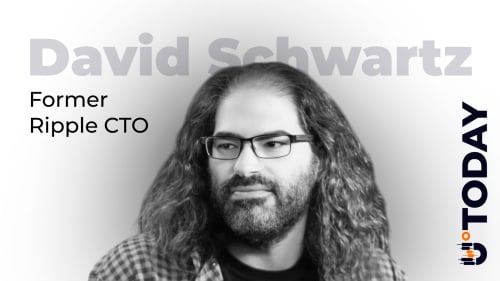
리플 CTO 명예 David Schwartzonce는 memecoin을 진지한 투자 도구로 취급한다는 아이디어 자체가 그에게 불쾌감을 준다고 공개적으로 말하면서 쉬운 돈을 쫓는 XRP 커뮤니티 회원에게 다시 찬물을 끼얹었습니다.
대중의 거부를 촉발한 계기는 X 사용자 중 한 사람의 제안이었습니다. Schwartz는 FUZZY 프로젝트의 얼굴이자 수석 대사가 되어 달라는 요청을 반복적으로 받았습니다. 한편으로 그는 진정한 공동체 활동을 억압하고 싶지 않습니다. 반면에 그는 자신의 권위를 악용할 수 있는 숨겨진 사기꾼에 대한 홍보용 방패가 되는 것을 두려워합니다.
나는 사람들이 밈코인을 투자로 생각한다는 생각이 불쾌합니다고 생각합니다.
토론에 참여한 다른 참가자들이 정의상 밈코인은 본질적인 가치가 부족하고 순전히 "호피움"에서만 살아남는다는 점을 합리적으로 지적했을 때(항상 더 높은 가격에 자산을 구매하려는 사람이 있을 것이라는 맹목적인 믿음) Schwartz는 이에 동의했습니다. 그는 그러한 토큰을 중심으로 진지한 투자 포트폴리오를 구축하려는 시도가 우스꽝스러워 보인다고 덧붙였습니다.
암호화폐 애호가들이 Schwartz의 모든 말에 집착하는 이유는 FUZZY memecoin과 관련된 최근 사건에 있습니다. 이달 초 개발자는 토큰에 대한 기술적인 "신뢰 라인"을 개설하여 XRP 보유자들 사이에서 본격적인 음모론의 물결을 촉발했습니다.
팬들에게 이는 코인 이름이 2013년 네트워크 출시 초기에 Rippleteam이 활성화한 역사적인 Fuzzybear 지갑을 참조하기 때문에 상징적으로 보였습니다. 해당 지갑은 한때 1 XRP를 1 BTC로 교환하라는 전설적인 농담 주문을 내놓았습니다. 특히 감수성이 뛰어난 투자자들은 Schwartz가 프로젝트에 직접 관여했다고 즉시 결론을 내렸습니다.
슈워츠는 그러한 환상을 신속하고 단호하게 차단했습니다. 그는 지갑에 토큰을 추가하는 것은 자산 구매에 따른 축복이 아니라 네트워크 테스트에 사용되는 순전히 기술적이고 일상적인 단계라고 설명했습니다. 그에 따르면, 그는 FUZZY를 단지 재미있는 인터넷 현상으로 보고 있으며, 이 프로젝트에 대해 무작위로 지나가는 행인들만큼만 알고 있다고 합니다.
Schwartz의 경우, 밈코인은 인터넷 유머와 디지털 하위문화의 일부로 존재할 권리가 있습니다. 그러나 사람들이 밈을 투자와 혼동하기 시작하면 Ripple의 베테랑은 전문적인 당혹감과 약간의 혐오감으로만 반응합니다.
원문 제목: 'Distasteful': Ripple Vet David Schwartz Rejects Treating XRP Meme Coins as Investments
Ripple CTO EmeritusDavid Schwartzonce again poured cold water onXRPcommunity members chasing easy money as he openly stated that the very idea of treating memecoins as a serious investment instrument feels simply distasteful to him.
The trigger for the public rejection was a proposal from one of the users on X.
Schwartz was repeatedly urged to become the face and chief ambassador of the FUZZY project.
On one hand, he does not want to suppress genuine community activity.
On the other hand, he is simply afraid of becoming an unwilling promotional shield for hidden scammers who could exploit his authority.
I do find the idea that people think of a memecoin as an investment to be distasteful.
When other participants in the discussion reasonably pointed out that memecoins, by definition, lack intrinsic value and survive purely on "hopium" — blind faith that there will always be someone willing to buy the asset at a higher price — Schwartz agreed.
He added that attempts to build a serious investment portfolio around such tokens look ridiculous.
The reason crypto enthusiasts cling to every word from Schwartz lies in a recent incident involving the FUZZY memecoin.
Earlier this month, the developer opened a technical "trust line" for the token, triggering a full-scale wave of conspiracy theories among XRP holders.
To fans, this looked symbolic because the coin's name references the historic Fuzzybear wallet, which theRippleteam activated during the early days of the network launch back in 2013.
That wallet once placed the legendary joke order offering to exchange1 XRP for 1 BTC.
Particularly impressionable investors immediately concluded that Schwartz had direct involvement with the project.
Schwartz quickly and firmly shut down those fantasies.
He explained that adding a token to a wallet is a purely technical and routine step used for network testing, not a blessing to buy the asset.
According to him, he sees FUZZY as nothing more than an amusing internet phenomenon and knows about the project no more than any random passerby.
For Schwartz, memecoins have the right to exist as part of internet humor and digital subculture.
But when people begin confusing memes with investments, Ripple's veteran responds with nothing but professional bewilderment and, apparently, a slight sense of disgust.