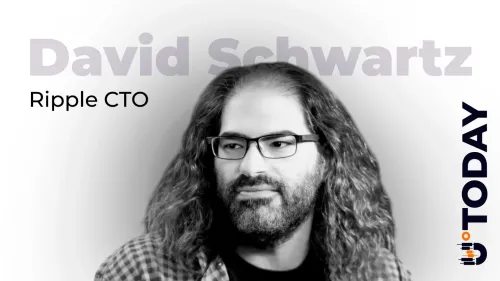
월요일에 리플 명예 최고 기술 책임자인 David Schwartz는 XRP Ledger가 대부분의 기존 공개 블록체인보다 더 많은 "기술적 하드 포크"를 가지고 있음을 인정했습니다.
원장은 현재 새로운 3. 1. 3 소프트웨어 버전을 채택하는 과정에 있으며, 이는 네트워크의 합의와 관련된 일부 비판을 불러일으켰습니다.
XRPL dUNL 유효성 검사기 Vet에 따르면 3. 1. 3 업데이트에는 9일 후에 활성화되는 "수정 수정 사항"이 포함되어 있습니다.
마감일까지 버전 3. 1. 3으로 업데이트하지 않은 노드는 더 이상 네트워크와 통신할 수 없습니다.
5월 18일 현재 네트워크의 40%만이 성공적으로 업데이트되었습니다.
일부 비평가들은 XRPL 합의 모델의 메커니즘에 의문을 제기했습니다(노드의 60% 대다수가 실제로 이전 소프트웨어를 실행하기 위해 분기될 수 있다는 점을 고려).
Schwartz는 메인넷을 결정하는 단순한 "1노드 1표" 시스템에 참여하지 않습니다.
그는 악의적인 행위자가 시빌(Sybil) 공격으로 알려진 수십 개의 가짜 노드를 회전시켜 이러한 계획을 쉽게 조작할 수 있다고 지적했습니다.
Schwartz는 XRP Ledger의 기본 설계가 하드 포크로 작동하려면 이러한 유형의 업그레이드가 필요함을 확인했습니다.
Schwartz는 "XRPL이 대부분의 다른 공개 원장보다 기술적으로 하드포크되는 이벤트를 더 많이 갖고 있는 것은 사실입니다. "라고 설명했습니다. "그것은 대부분 스마트 거래를 사용하기 때문에 XRPL이 자리잡고 있는 다소 독특한 위치 때문입니다. "
그는 Stellar가 유사하게 작동하며 새로운 기능과 수정 사항을 구현하기 위해 주요 프로토콜 업그레이드를 자주 순환한다고 언급했습니다.
Schartz가 설명했듯이 검증인 간의 원시 백분율 분할은 결과를 자동으로 결정하지 않습니다. 대신, 분기된 체인의 생존은 전적으로 UNL(고유 노드 목록)에 달려 있습니다. Schwartz는 "검증인 분할은 중요하지 않습니다. "라고 말했습니다. "필요한 것은 각 측에 자신이 선호하는 규칙에 따라 원장 스트림을 생성하는 데 동의하는 검증자를 포함하는 기능적 UNL을 생성할 수 있는 충분한 검증자가 있다는 것입니다. "
Schwartz는 커뮤니티 내에 균열이 발생하면 네트워크가 두 개로 깔끔하게 분리될 것이라고 지적했습니다. "아마도 두 개의 경쟁 원장 스트림이 있다면 두 개의 경쟁 UNL과 두 개의 경쟁 코드 배포도 있을 것입니다. "
원문 제목: Ripple CTO Explains XRPL Hard Forks
On Monday, Ripple Chief Technology Officer Emeritus David Schwartzacknowledgedthat the XRP Ledger has had more "technical hard forks" than most established public blockchains.
The ledger is currently in the process of adopting the new 3.
1.
3 software version, which has prompted some criticism pertaining to the network's consensus.
As stated by XRPL dUNL validator Vet, the 3.
1.
3 update contains a "fix amendment" that will activate in nine days.
Any node that has not updated to version 3.
1.
3 by the deadline will no longer be able to communicate with the network.
As of May 18, only 40% of the network had successfully updated.
Some critics have questioned the mechanics of the XRPL's consensus model (given that the 60% majority of nodes could actually be forked off for running older software).
Schwartz is not on board with the idea of a simple "one node one vote" system determining the mainnet.
He pointed out that bad actors could easily game such a scheme by spinning up dozens of fake nodes, which is known as a Sybil attack.
Schwartz confirmed that the XRP Ledger's fundamental design requires these types of upgrades to function as hard forks.
"It is true that XRPL has more events that are technically hard forks than most other established public ledgers," Schwartz explained.
"That's mostly due to the somewhat unique place XRPL sits due to its use of smart transactors.
".
He has noted that Stellar operates similarly and frequently cycles through major protocol upgrades to implement new features and fixes.
As explained by Schartz, A raw percentage split among validators does not automatically dictate the outcome.
Instead, the survival of a forked chain relies entirely on the Unique Node List (UNL).
"The validator split doesn't matter," Schwartz stated.
"All that's necessary is that each side have enough validators to create a functional UNL containing validators who agree to produce a ledger stream according to their preferred rules.
".
Schwartz noted the network would neatly cleave in two if there is a fracture within the community.
"Most likely, if you had two competing ledger streams, you'd also have two competing UNLs and two competing code distributions.
".